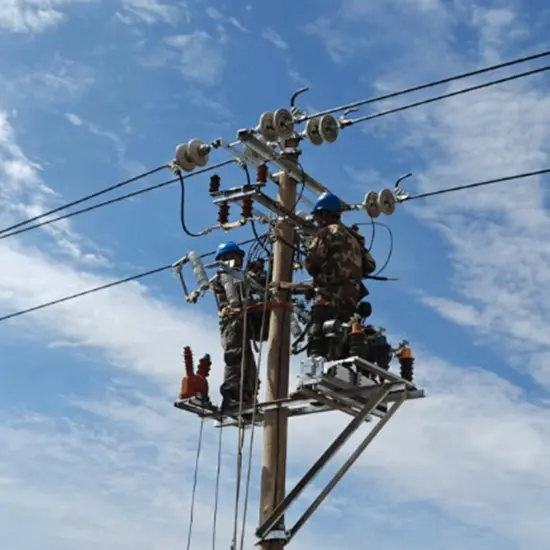
The Metal Oxide (ZnO) varistor is the core component of a surge arrester, acting as its "heart." Its performance directly determines whether the arrester can effectively withstand lightning and switching overvoltages to protect the distribution network.
However, in practical applications, many arresters suffer from varistor aging and performance degradation. Causes range from inferior materials and non-standard manufacturing to harsh environments (high temperature, humidity, salt spray, dust) and inadequate maintenance. This manifests as structural damage, increased leakage current, and severe overheating, eventually leading to puncture failure. Such failures account for over 42% of all surge arrester faults, posing a major threat to grid stability and potentially causing massive blackouts and equipment damage (transformers, mutual inductors).
Based on real-world fault cases in Africa and in accordance with national standards such as GB/T 11032-2020 (Metal-oxide surge arresters without gaps for AC systems), this article analyzes the root causes of aging and proposes a practical, four-step solution to ensure reliable protection.
I. Problem Unveiled: Why Do Arresters Fail?
1. Four Root Causes: Material, Process, Environment, and Maintenance
Inferior Materials: Some manufacturers use low-purity ZnO powder to cut costs, resulting in weak aging resistance.
Non-standard Manufacturing: Manual production and imprecise sintering lead to uneven density, internal cracks, or bubbles.
Harsh Environments: Long-term exposure to lightning, voltage fluctuations, and salt spray triggers chemical reactions that increase leakage current.
Inadequate Maintenance: Lack of monitoring means aging is not detected until a catastrophic failure occurs.
2. African Case Study: Inferior Varistors Lead to $20,000+ Loss In March 2025, on a 35kV line in Tanzania, a surge arrester failed after 6 years of service due to inferior varistors and high humidity. The resulting ground fault caused a phase-B insulation breakdown and forced multiple substations to shut down. The direct economic loss exceeded 150,000 TZS (approx. $20,000 USD), severely impacting local irrigation and residential power.
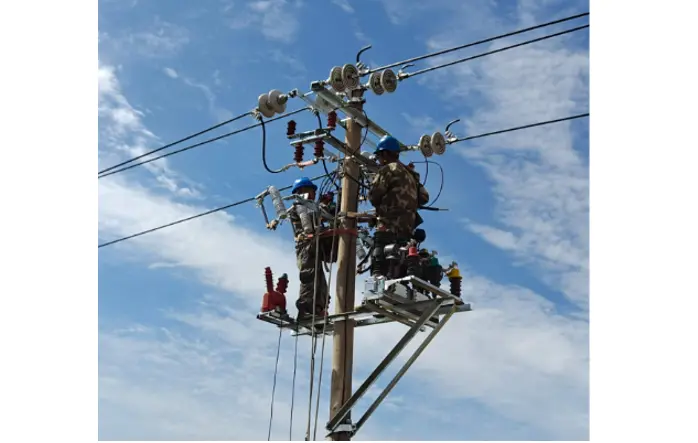
II. The Four-Step Radical Solution
Step 1: Selecting the Best "Core" – High-Purity Materials
Premium ZnO Powder: Use high-purity powder and additives to enhance stability under long-term voltage stress.
Optimized Encapsulation: Utilize high-temperature resistant and anti-aging bonding materials to prevent environmental erosion.
Step 2: Precision Craftsmanship – Standardized Production
Automated Sintering: Employ automated equipment to precisely control temperature and density, ensuring a stable internal structure without bubbles.
Vacuum Sealing: Use voltage-equalizing designs and vacuum packaging to prevent moisture and dust ingress.
Step 3: Intelligent Monitoring – "Health Tracker" for Early Warning
Built-in Monitoring Modules: Real-time tracking of total leakage current, resistive current (target: <500μA), and temperature.
Predictive Alerts: Digital interfaces allow integration with smart O&M platforms, providing 7–15 days of early warning for aging trends.
Step 4: Scientific O&M – Life-Cycle Management
Aging Ledgers: Establish digital archives for every unit to track service time and test data.
Environmental Protection: Install rain covers and anti-pollution coatings in high-humidity or salt-spray coastal areas.
III. Proven Results: Zero Faults and Significant Savings
Tanzania 35kV Line Retrofit Results:
Before: Frequent faults (2–3 times/year), inferior varistors, and no monitoring. Annual losses exceeded 150,000 TZS.
After: Since the implementation of high-resistance varistors and smart monitoring, the line has achieved one year of zero-fault operation. Leakage currents remain within standard limits, saving over 150,000 TZS annually in maintenance and outage costs.
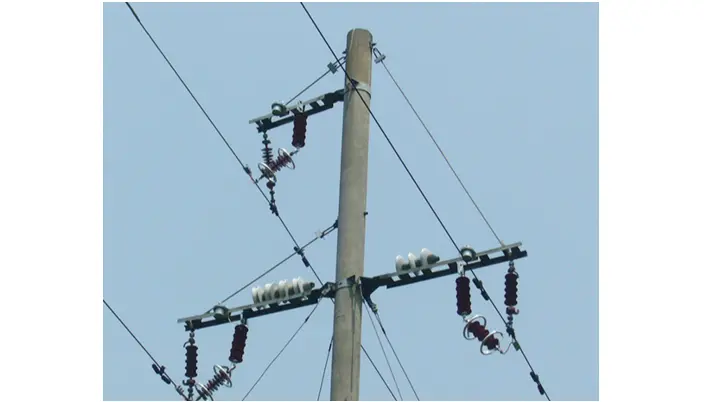
IV. Comprehensive Support: Technology + Service
Technical Assurance: Professional teams provide full-process support from material selection to O&M guidance according to international standards.
Quality Guarantee: 100% factory inspection, 1-year warranty, and lifelong maintenance with sufficient spare parts.
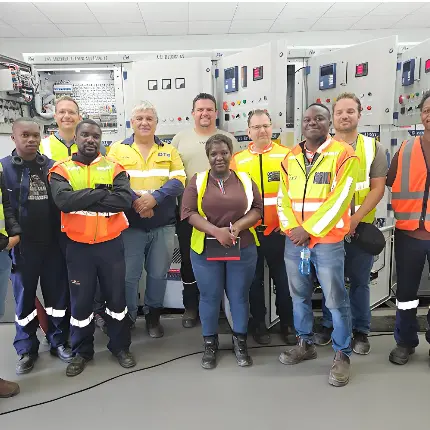
Training Support: Specialized training for local O&M personnel on fault diagnosis and monitoring tools.
V. Future Outlook
Varistor aging is a bottleneck for modern power systems. By integrating high-purity materials with intelligent monitoring, we can transform surge arresters from "passive components" into "smart guardians." Rockwill remains committed to driving the evolution of grid protection toward a more reliable and sustainable future.