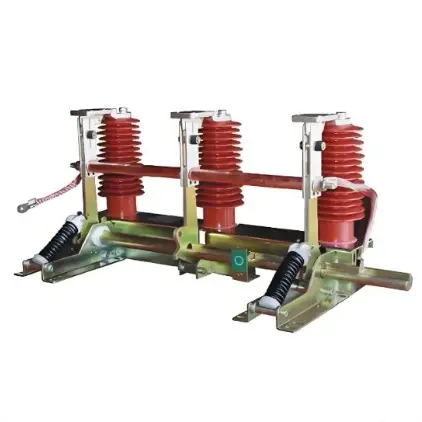
Maintenance Pain Points and Mitigation Pathways for Earthing Switches in Southeast Asia’s High-Temperature, High-Humidity, and Typhoon-Prone Environments
I. Maintenance Challenges of Climate-Adapted Earthing Switches in Southeast Asia
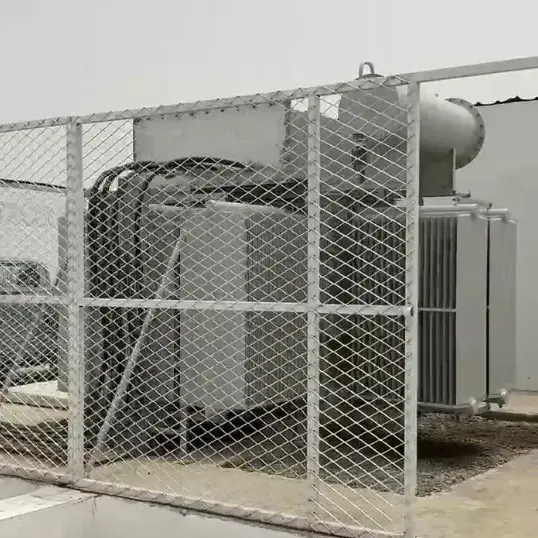
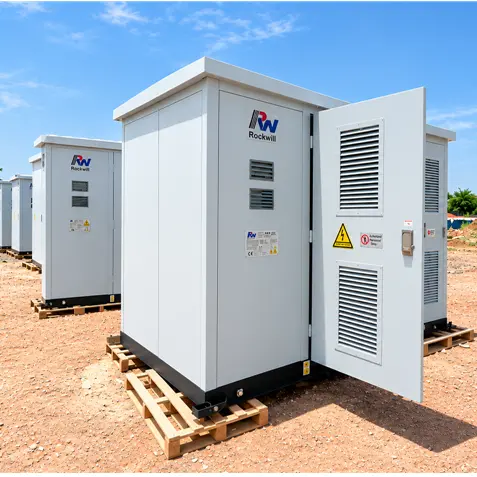
Earthing switches are mostly installed in concealed locations such as the interior of switchgear cabinets or outdoor box-type transformers. Conventional products generally lack effective state-monitoring functions. When coupled with Southeast Asia’s specific climate—characterized by high temperatures, high humidity, and frequent typhoons—maintenance difficulty and costs rise significantly, posing a prominent hidden threat to the safe operation of local distribution networks. The core pain points are reflected in three aspects:
Hidden Faults are Hard to Detect: Manual inspection efficiency is low, making it impossible to timely troubleshoot latent issues like contact oxidation, interlock component wear, and abnormal temperature rise.
Cumbersome Maintenance Operations: Irrelevant structural designs in some products require the disassembly of the entire switchgear cabinet during maintenance, which is time-consuming and labor-intensive.
Poor Climate Adaptability: High heat and humidity accelerate equipment aging and contact corrosion; meanwhile, typhoon weather often leads to water ingress and loosened wiring, further increasing maintenance frequency and costs.
Typical Case Study: In a 10kV distribution network of a Southeast Asian industrial park, multiple conventional earthing switches were deployed. Due to year-round high temperatures (summer extremes exceeding 40°C), high humidity (relative humidity often over 85%), and a lack of monitoring means, the team relied on monthly manual inspections. Each inspection took 4 days, with annual costs exceeding 180,000 RMB (converted from local currency). Under these conditions, the contacts of several switches suffered excessive temperature rise (exceeding 75K) due to oxidation and moisture. Because manual inspections failed to detect this in time, three switches eventually suffered insulation aging and short-circuit tripping. This halted several production lines, causing direct losses of over 600,000 RMB. Additionally, frequent water ingress and loose connections during typhoon season required extra manpower for troubleshooting, and the complex structure of traditional equipment meant that maintaining a single unit took over an hour, severely impacting power supply continuity.
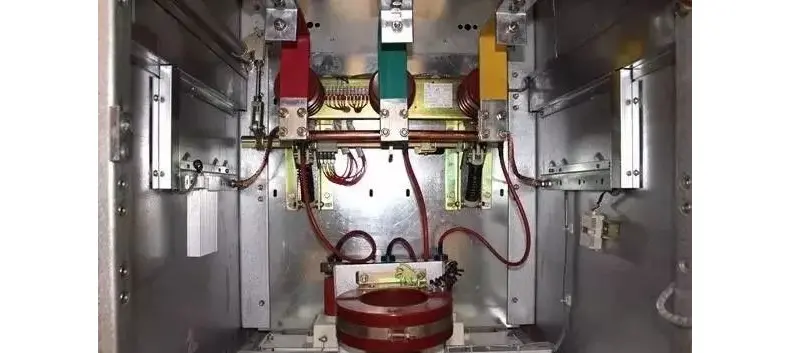
II. Triple-Integrated Solution: Climate-Adapted Maintenance for Southeast Asia
To address these pain points, a "Smart Monitoring + Climate Adaptation + Simplified Maintenance" triple-integrated solution has been constructed. This eliminates inefficiencies and high costs while adapting to the local environment.
Smart Monitoring Upgrade: Precision Capture of Hidden Faults (Core Measure)
High-precision (±1%℃), heat-resistant, and moisture-proof temperature and state sensors are deployed at contacts, conductive connections, and interlock components. Real-time data regarding switching status, contact temperature, contact resistance, interlock states, and moisture levels are transmitted to a cloud platform. This achieves data visualization and completely replaces traditional manual inspections.
Climate Adaptation Optimization: Reducing Environment-Induced Maintenance Frequency
To counter high temperatures, the cooling structure has been optimized by increasing the surface area of aluminum alloy heat sinks by 30% and adding high-temperature resistant, dust-proof ventilation channels to prevent heat accumulation. For high-humidity environments, anti-corrosion and moisture-proof coatings are applied to the housing and internal contacts, using moisture-resistant insulation materials to reduce oxidation. For typhoon weather, the fixing structures use anti-loosening buckle designs and enhanced seal protection for wiring to prevent water ingress and loose connections.
Structural and Operational Optimization: Increasing Efficiency and Lowering Costs
A modular, compact design allows vulnerable parts (heat sinks, interlocks, sensors) to be replaced within 30 minutes without disassembling the entire cabinet. The cloud platform features intelligent algorithms that automatically adjust monitoring frequencies and warning thresholds based on seasonal traits (e.g., peak heat or typhoon periods), generating targeted reports and reducing annual maintenance costs by over 60%.
Local Maintenance Adaptation: Ensuring Implementation
The cloud platform interface is simplified with multi-language support to suit local technical levels. Localized technical training is provided, covering equipment operation, troubleshooting, and platform usage to enhance the professional capabilities of local teams.
III. Implementation Results
Adopting this solution thoroughly resolves the core issues of maintenance difficulty, high costs, and undetectable hidden faults while adapting to the Southeast Asian climate. Based on similar industrial park retrofits, the detection rate of hidden faults increased by 100%, while faults triggered by heat, humidity, or typhoons dropped by 85%. Manual maintenance input was reduced by 60%, saving over 100,000 RMB in annual costs and providing a strong guarantee for the stable operation of regional distribution networks.