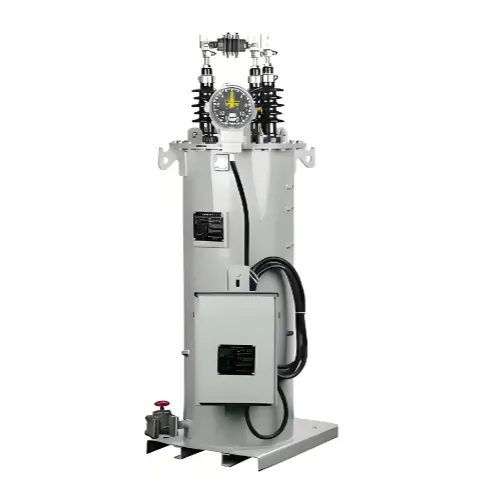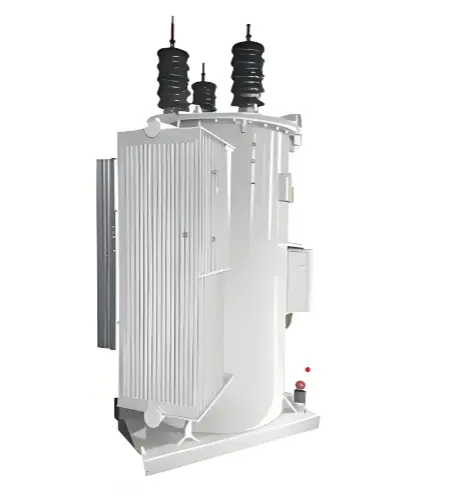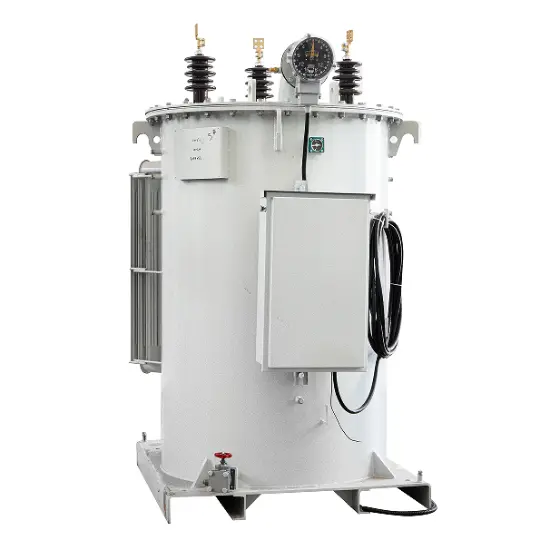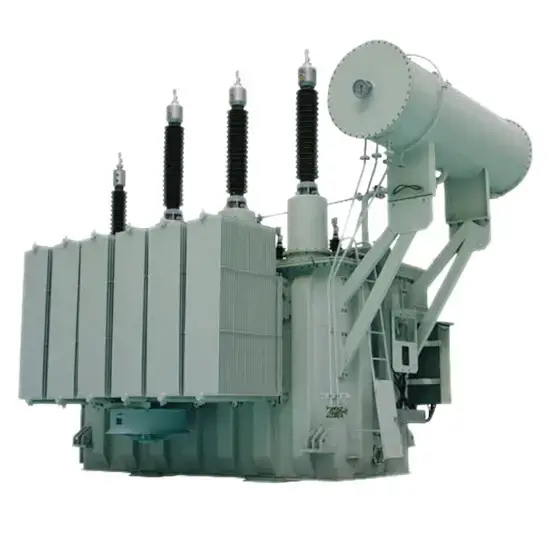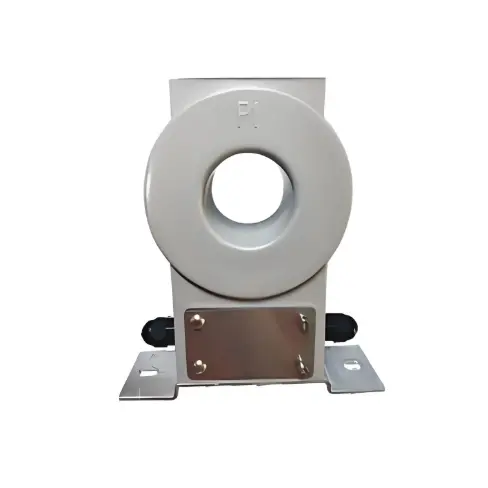
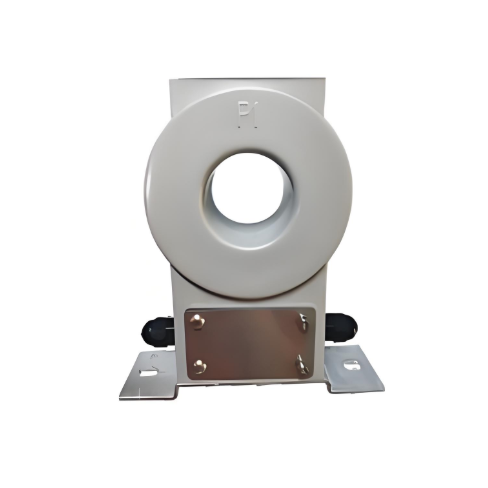
Ⅰ. Core Innovation: Deep Integration of CTs with Transmission Infrastructure
Zero Land Occupation: Revolutionizing traditional outdoor CT installations by embedding precision sensing units directly within high-voltage gas-insulated pipelines, saving >90% of above-ground equipment space.
Complete Environmental Isolation: Measurement components reside in hermetically sealed gas chambers, eliminating risks from rain, ice, salt corrosion, and vandalism—far exceeding the reliability of exposed installations.
Dual Electromagnetic Shielding: The GIL metallic enclosure forms a natural Faraday cage, blocking external EMI while containing CT magnetic fields within the pipeline. EMI suppression exceeds 40dB in sensitive zones.
Intelligent Gas Management: Uses dry air or eco-friendly insulating gases with nano-scale gas sensors. Detects pressure drops as low as 0.001MPa and triggers active alerts.
Ⅱ. Core Value Matrix
Dimension
GIL-Embedded CT Solution
Traditional Outdoor CT Solution
Space Footprint
Zero added surface space
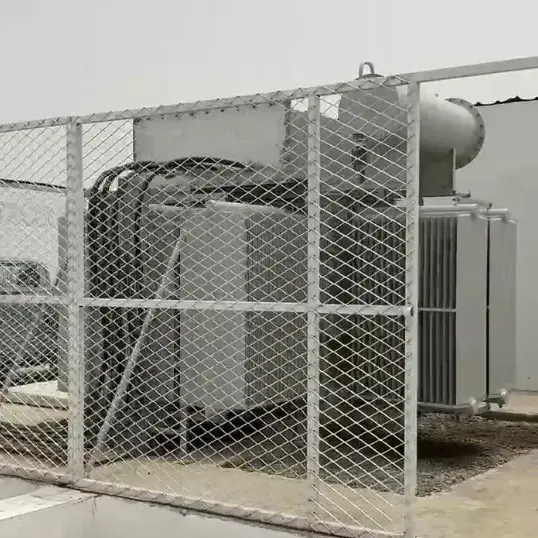
≥15 m² per node
Environmental Resistance
Fully sealed (IP68) against extreme cold/corrosion/storms
Dependent on enclosures (IP55)
EMC Performance
Active dual shielding (GIL + CT)
Passive single-layer shielding
Failure Risk
Mechanical damage rate <0.1%
3% annual vandalism rate
O&M Costs
Maintenance-free lifecycle
Annual inspections + protective upgrades
Ⅲ. In-Depth Use Case: Tokyo Shinjuku Underground Power Corridor
Faced with a $280M land acquisition cost for traditional substation expansion, Shinjuku adopted the GIL-CT solution:
Space Optimization: Embedded 550kV CT units within existing 3.2m-diameter cable tunnels, effectively creating three "invisible digital substations" beneath Tokyo.
Resilience: Maintained 100% operation during Typhoon Hagibis, avoiding flood-induced outages common with surface equipment.
Cost Efficiency: Reduced construction timeline by 14 months, lowered overall costs by 37%, and saved 1,200 tons of annual cooling energy.
Smart Grid Enablement: CT data transmitted via tunnel fiber optics enabled microsecond-level fault localization.
Power Engineer Koichi Matsumoto: "This integration allows us to add medium-city-level capacity to Shinjuku’s financial district without acquiring a single square meter of land—what was once science fiction is now reality."
Ⅳ. Future Evolution Path
With breakthroughs in AIoT and advanced materials, next-gen systems are evolving into autonomous sensing-diagnostic entities:
Graphene sensor coatings enabling conductor temperature profiling
Big-data gas composition analysis for insulation lifespan prediction
Optical quantum measurement modules achieving 0.01-class accuracy
This marks the transition from discrete monitoring devices to an underground neural network era.