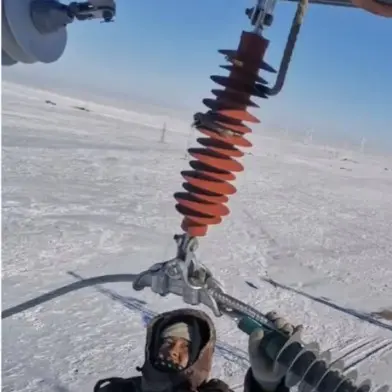
Conquering the Triple Challenges of Ethiopia’s Addis Ababa Plateau: High Altitude, Strong UV, and Fierce Winds — How This Surge Arrester Held Steady for 21 Months!
I. Field Conditions: 2,800m Altitude + Intense UV + Mountain Gales — The "Triple Threat" to Highland Grids
Project Overview: Take the 35kV distribution network project around Addis Ababa, Ethiopia, as an example. Situated in a typical highland mountain climate with an altitude exceeding 2,800 meters, the project faces severe challenges: thin air (low pressure), intense ultraviolet (UV) radiation, and extreme wind loads from mountain gales. Coupled with a fragile local power infrastructure and complex terrain, these factors place extreme demands on the high-altitude adaptability, UV resistance, and mechanical stability of surge arresters.
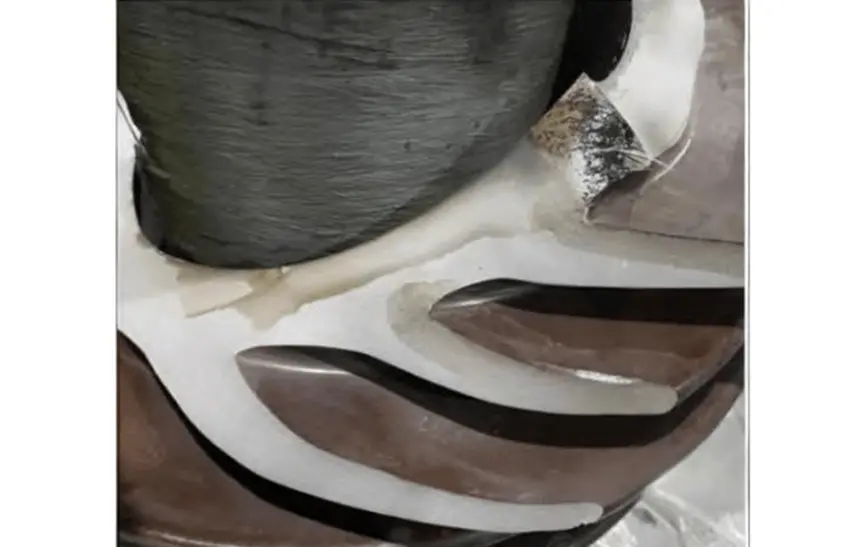
Existing Pain Points: At the project's start, standard surge arresters were deployed. However, within just four months, six failures occurred due to high altitude, strong UV, and high wind loads. Standard arresters struggled with low-pressure environments, leading to degraded insulation and flashovers. Intense UV caused the housings to age, crack, and become brittle rapidly. Furthermore, high wind loads caused the units to oscillate, loosening the fixings and damaging the sheds, which compromised sealing and triggered further faults.
Impact: Persistent equipment failures resulted in intermittent power supply for mountain residents and pastoral communities. Given the rugged terrain and oxygen-depleted high-altitude conditions, maintenance was difficult, hazardous, and costly. There was an urgent need for a specialized surge arrester capable of handling high-altitude, high-UV, and high-wind environments.
II. The Key Breakthrough: "Tailor-Made" for Highland Terrains! Three Ways to Solve the Altitude, UV, and Wind Dilemma
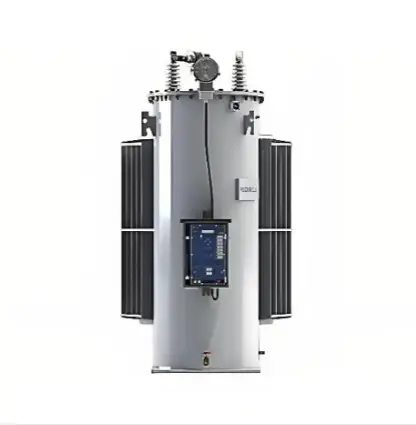
To address the extreme environment of the Ethiopian plateau, a specialized high-altitude mountain surge arrester was selected as the core solution. This product is specifically engineered for highland scenarios, focusing on optimized insulation for thin air, reinforced UV-resistant housings, and enhanced mechanical stability to ensure continuous, stable operation of the 35kV distribution network.
III. Hardcore Comparison: Standard vs. Highland-Specialized — Which Withstands the Plateau?
Comparison Dimension Standard Surge Arrester Highland-Specialized Surge Arrester High-Altitude Adaptability ❌ Poor insulation performance at low pressure; prone to surface flashovers. ✅ Optimized insulation & creepage distance; stable performance at altitudes over 3,000m. UV Resistance ❌ Housing ages, cracks, and turns brittle quickly under intense UV. ✅ Anti-UV formula; highly weather-resistant, preventing aging and cracking over long-term exposure. Wind Load Resistance ❌ Prone to oscillation, loosening, and shed damage under high wind loads. ✅ Reinforced structural design; secure fixings and sheds withstand gales without loosening or failure. O&M Convenience ❌ Frequent faults lead to difficult, high-risk maintenance and rising O&M costs. ✅ High reliability; stable operation and simple maintenance significantly lower risks and costs.
IV. Three Core Advantages: Flashover-Proof | UV-Aging-Proof | Wind-Stable
Superior High-Altitude Performance: Specifically designed for altitudes up to 3,000m. The optimized insulation structure and creepage distance maintain stable performance in thin air, completely eliminating surface flashover risks.
Excellent UV Resistance: Integrated anti-UV additives ensure high weatherability. Long-term exposure to intense plateau UV will not cause aging, cracking, or brittleness, drastically extending equipment service life.
High Wind Load & Anti-Loosening: Enhanced structural integrity and reinforced sheds allow the arrester to withstand severe mountain gales without oscillation or loosening, ensuring a reliable seal that keeps moisture and contaminants out.
High Cost-Effectiveness: Designed for drop-in replacement on existing 35kV lines. Its reliability and ease of maintenance reduce O&M costs by 48%, significantly lowering the difficulty and safety risks of high-altitude mountain maintenance.
V. Results in the Field: 21 Months of Zero Relevant Faults! O&M Costs Cut by 48%
Application Scenario Equipment Type Operation Cycle Operational Performance Core Result Addis Ababa 35kV Project Standard Arrester 4 Months 6 failures due to altitude/UV/wind; dangerous maintenance. ❌ Unsuitable for highland conditions; high costs and safety risks. Addis Ababa 35kV Project Specialized Arrester 21 Months Only 1 minor instance of dust; zero faults related to altitude, UV, or wind. ✅ Fault rate dropped to zero; O&M costs reduced by 48%; maintenance risks minimized.
VI. Scalable Experience: Where Else Can This Solution Help?
Promotion Value: This solution, proven in the Addis Ababa 35kV project, successfully addresses the core pain points of highland environments. It is reliable, economical, and easy to deploy, serving as an ideal reference for similar projects across Africa.
Scope of Application: This model is widely applicable to high-altitude and mountainous regions across Africa, such as the highlands of Kenya, Rwanda, and Burundi. It is particularly suitable for 35kV and similar voltage distribution projects in complex, high-altitude (1,500m–3,000m) areas with strong UV and heavy wind loads, ensuring regional power stability.