Ⅰ. Core Objectives
Enhance power generation efficiency, ensure power supply reliability, reduce full life-cycle operational costs, and achieve intelligent regulation of power systems.
Ⅱ. Core Subsystem Optimization Solutions
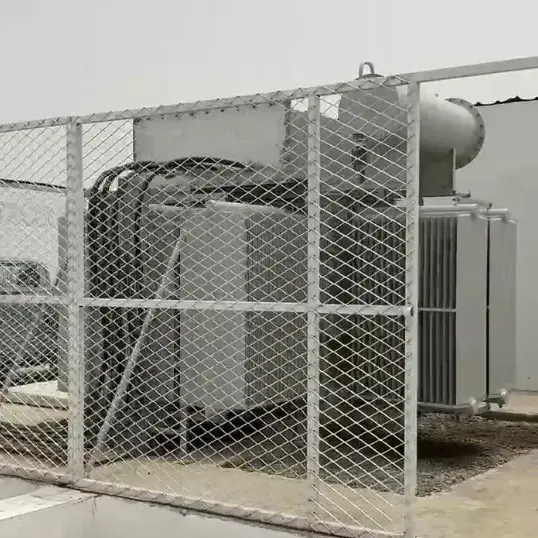
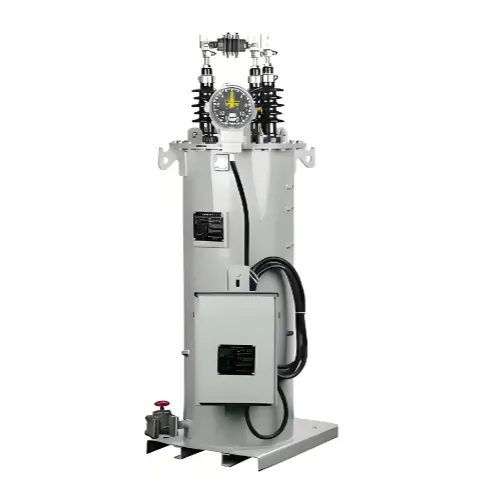
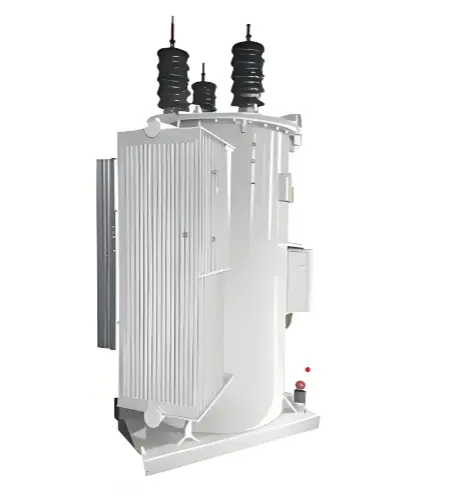
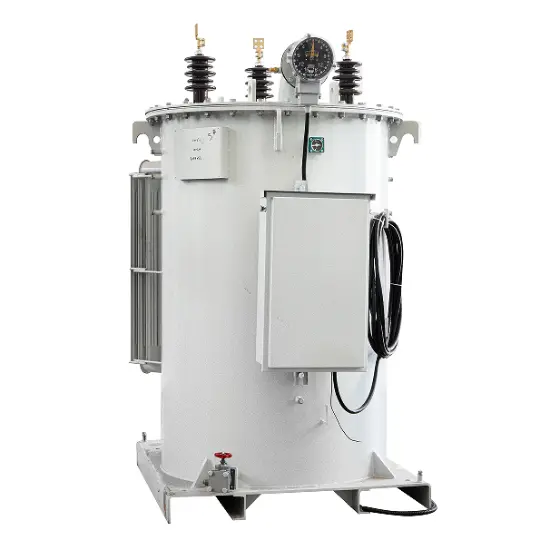
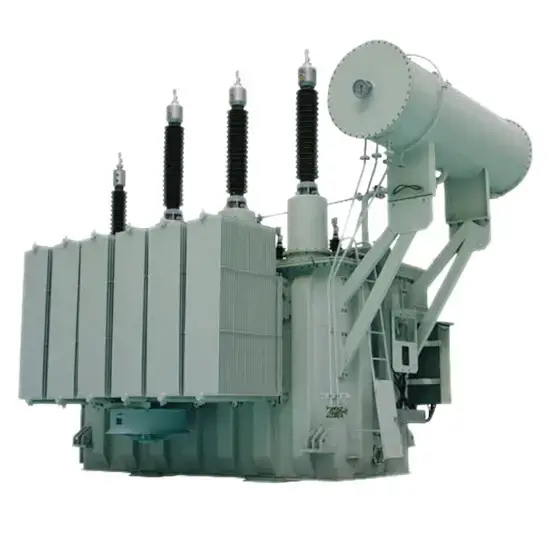
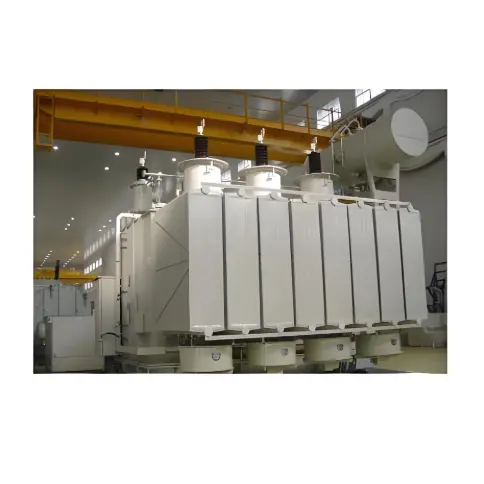
Dedicated Solution for Power Transformers
Pain Point Analysis: Transformers serve as the critical hub for power transmission, accounting for 3%~5% of total plant energy losses. Failure-induced downtime leads to complete plant power outages.
1. Transformer Selection & Technological Innovation
Optimization Direction
Implementation Strategy
Technical Benefits
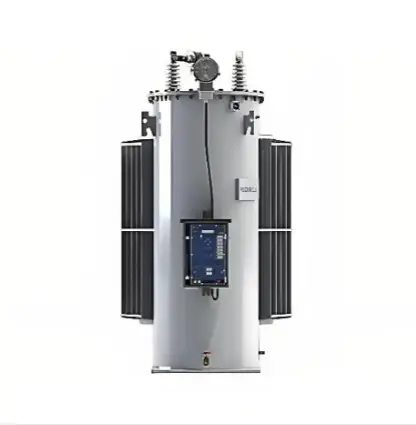
Ultra-Efficient Transformers
Adopt SCRBH15-class or higher amorphous alloy transformers or Grade-1 energy-efficient oil-immersed transformers
40%~70% reduction in no-load loss, saving 100,000 kWh/year per unit
Impedance Optimization Design
Customize impedance values based on short-circuit current (±2% accuracy)
Suppresses short-circuit impact, enhances equipment safety
Intelligent Cooling System
Integrate VFD fans + oil pumps with coordinated control
50% power reduction at <60% load, noise ≤65dB
2. Key Performance Enhancement Path
graph LR
A[Electromagnetic Optimization] --> B[Stepped Lap Core]
A --> C[Epoxy Resin Vacuum Casting]
B --> D[15% Eddy Current Loss Reduction]
C --> E[Partial Discharge <5pC]
E --> F[Lifespan Extended to 40 Years]
3. Digital O&M System
Condition Sensing Layer
Embedded fiber-optic temperature sensors (±0.5°C accuracy)
Online DGA monitoring (H₂, C₂H₂ warning threshold ≤1ppm)
Intelligent Diagnostic Platform
IEEE C57.91 thermal aging model for lifespan prediction
Reinforcement learning algorithms for inter-turn fault localization (≥92% accuracy)
Ⅲ. System-Level Collaborative Optimization
Transformer-Subsystem Integration
Collaborative Module
Optimization Measure
Comprehensive Benefit
Generators
18-pulse rectifier transformer configuration
THD reduced from 8% →2%
Switchgear
Transformer-GIS protection coordination time ≤15ms
Fault clearance speed×3 faster
Load Management
±10% dynamic voltage regulation (OLTC)
Voltage compliance rate ≥99.99%
Ⅳ. Quantified Implementation Benefits
Metric
Pre-Optimization
Post-Optimization
Improvement
Comprehensive Efficiency
95.2%
98.1%
↑3.04%
Unplanned Outages
2.3 times/year
0.2 times/year
↓ 91.3%
Coal Consumption per kWh
285g/kWh
263g/kWh
↓7.7%
O&M Cost
18 USD/kVA/year
9.5 USD/kVA/year
↓47.2%
Note: Standard coal equivalent
Ⅴ. Key Technical Safeguards
Life-Cycle Cost (LCC) Model
Procurement cost ratio: 75% →45%, emphasizing 20-year O&M optimization
Electro-Thermal-Mechanical Multi-physics Simulation (ANSYS Maxwell + Fluent)
Hotspot temperature error≤3K, design margin reduced by 15%