Ⅰ. Energy Pain Points and Retrofitting Needs in Aging Industrial Parks
High Electricity Costs
Significant peak-valley price disparity (e.g., peak: ¥1.2/kWh vs. valley: ¥0.3/kWh), with peak-hour consumption accounting for over 40% of total costs.
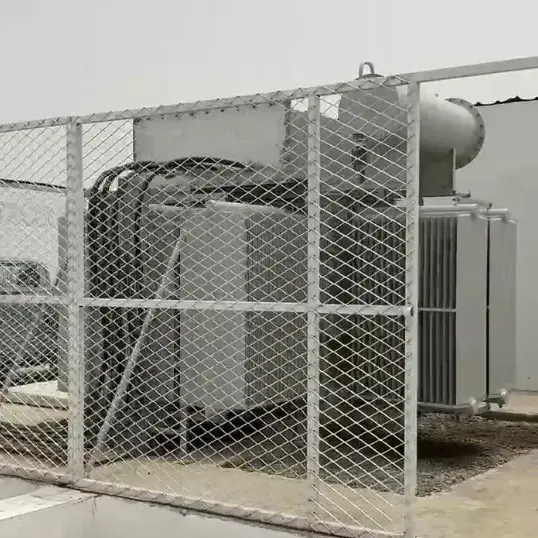
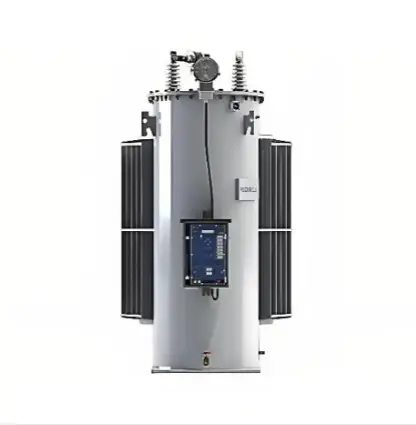
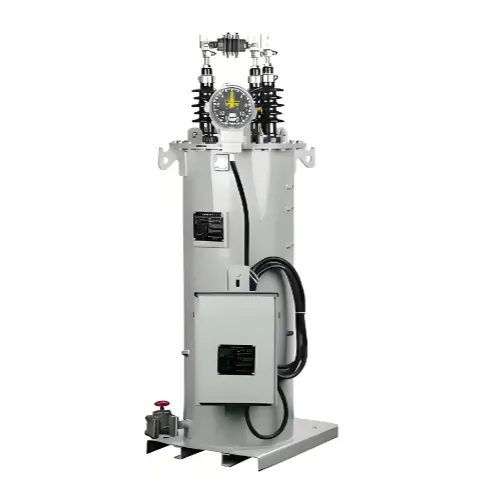
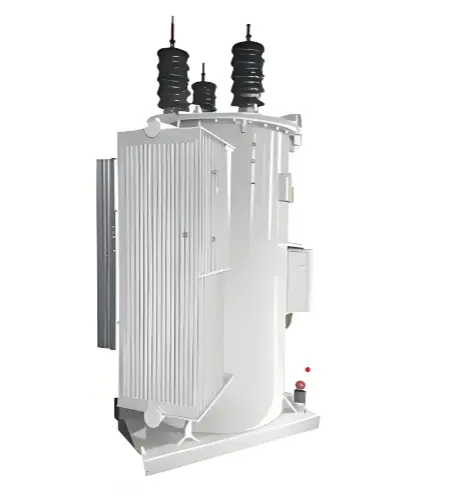
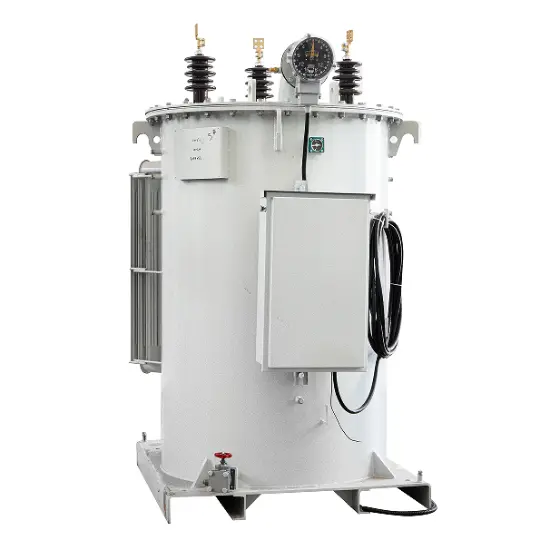
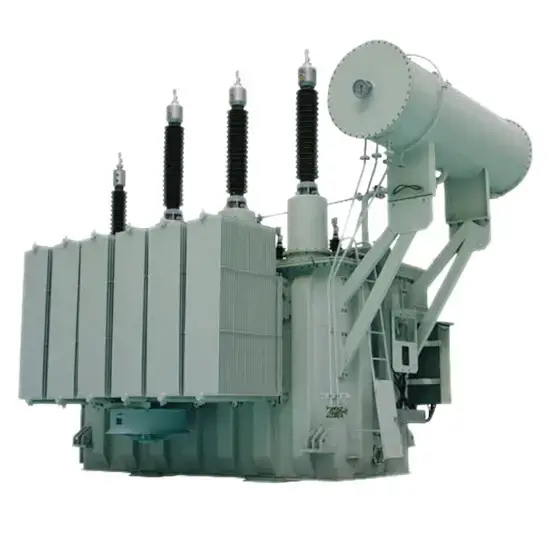
Insufficient transformer capacity, coupled with prohibitively high expansion costs (over ¥500,000 per unit upgrade).
Spatial and Equipment Limitations
Compact layout leaves no reserved space for energy storage, making traditional containerized energy storage systems unfeasible.
Aging equipment with low efficiency and lack of real-time monitoring, resulting in 20%-30% higher energy intensity than advanced factories.
Poor Power Supply Stability
Unexpected blackouts cause production interruptions, incurring annual losses exceeding millions; inadequate backup energy storage capacity.
Carbon Pressure and Policy Drivers
High reliance on traditional energy sources triggers surging carbon tax costs (e.g., annual emissions >1,500 tons risk million-level fines).
Government subsidies (e.g., ¥0.5/kWh for energy storage) incentivize upgrades.
II. ICESS Core Solutions
Modular Energy Storage System: Overcoming Spatial Constraints
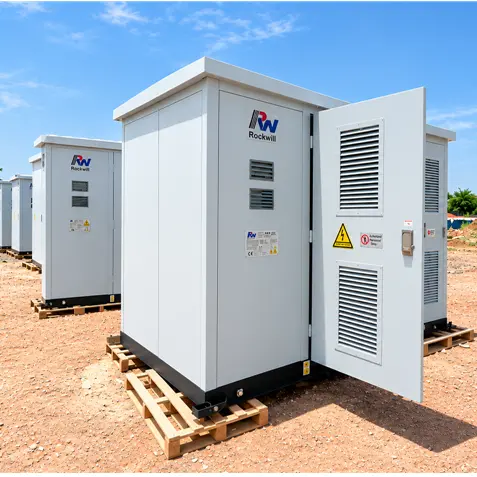
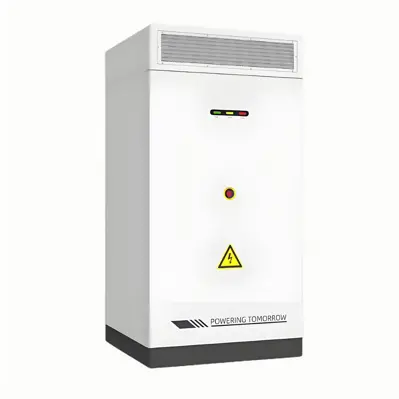
Ultra-slim design: ≤90cm-wide modular units (e.g., SigenStack) embed into building gaps/equipment interlayers without foundation modifications.
Distributed load-bearing: Single-unit weight <300kg; two-person installation adapts to structural limits of aging plants.
Scalable capacity: From 100kW/200kWh to 10MW+ (supporting Li-ion, flow batteries, etc.).
Integrated PV-Storage-Charging: Dynamic Energy Optimization
Component
Solution
Benefits
PV Generation
Mono-crystalline panels (≥22% efficiency) on roofs/carports; AI-powered yield forecasting; anti-reverse protection to avoid grid penalties.
Annual output: 2.4M kWh (2MW system), covering 30% of daytime load.
Smart Storage
Valley-charging & peak-discharging (price arbitrage); demand management to flatten load curves (30% peak-load reduction on transformers).
30% higher ROI per cycle; payback period <4 years.
Charging Piles
7-240kW full coverage; time-of-use pricing + sequential charging (prevents transformer overload).
60% lower charging cost for forklifts; 40% reduction for employee vehicles.
Multi-Timescale Energy Storage Configuration
Storage Type
Response Time
Application Scenario
Aging Plant Case
Supercapacitors
<1 second
Voltage sag support; elevator regenerative absorption.
Ensures uninterrupted precision instrument production.
Li-ion Storage
Minutes
Daily peak shaving (2-4h discharge).
Replaces diesel generators for 2h emergency backup.
LH₂/Compressed Air
Hours+
Weekly/monthly regulation; winter heating.
Repurposes abandoned pipelines for energy storage (Xiaoshan case).
III. AI-Driven Smart Management Platform
AI-powered scheduling: Prioritizes green energy consumption; automatically dispatches storage/grid power during shortages; adjusts non-urgent production lines/charging pile load.
Carbon management: Auto-generates emission reports aligned with industry standards; supports carbon credit trading.
Smart O&M: Proactive fault alerts (>95% accuracy); automated work orders; 50% higher maintenance efficiency.
IV. Retrofitting Implementation Roadmap
Spatial Assessment & Design
Use BIM scans to identify idle space (e.g., gaps ≥90cm can deploy 1MWh systems).
Phased Deployment
Phase 1: Modular storage + smart charging piles (commissioned in 3 months for basic peak-shaving).
Phase 2: Expand rooftop PV + long-duration storage (e.g., retrofit abandoned hydrogen tanks for LH₂ storage).
Policy & Funding Coordination
Secure local subsidies and green loans.
V. Benefit Analysis
Metric
Pre-retrofit
Post-retrofit
Improvement
Annual Electricity Cost
¥24 million
¥19 million
↓20.8%
Transformer Expansion Need
30% capacity increase
Zero new capacity
Saves ¥3 million
Power Supply Reliability
20 hours downtime/yr
<2 hours downtime/yr
↑90%
Carbon Reduction
1,500 tons/yr
Certified Zero-Carbon Park
Provincial Green Factory Award
VI. Case Study: Mannheim Energy Hub Transformation
Pain Point: An 8-hectare retired coal plant site with dense underground pipelines; zero available land for new large-scale storage.
Solution:
Maximized existing infrastructure: Integrated original grid access points to deploy 50MW/100MWh LFP storage (zero new land use).
Space-optimized embedding: 30 ISO-standardized containerized units retrofitted into abandoned plant structures.
Benefits:
Scalability & Capacity: Annual peak-shaving = 200% of local peak load; 100MWh storage powers critical industries >2 hours.
Environmental & Economic Returns:
Annual CO₂ reduction: 7,500 tons (equivalent to 3M liters of fuel saved or 85+ hectares reforested).
Annual revenue >€1.5M via electricity arbitrage & grid frequency regulation services.