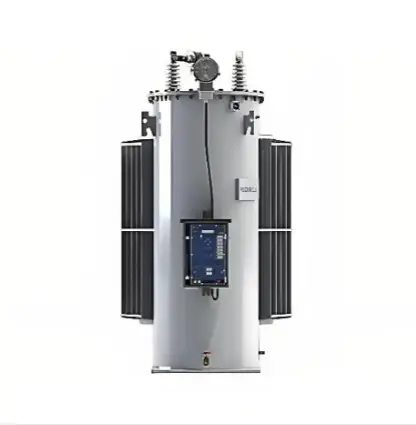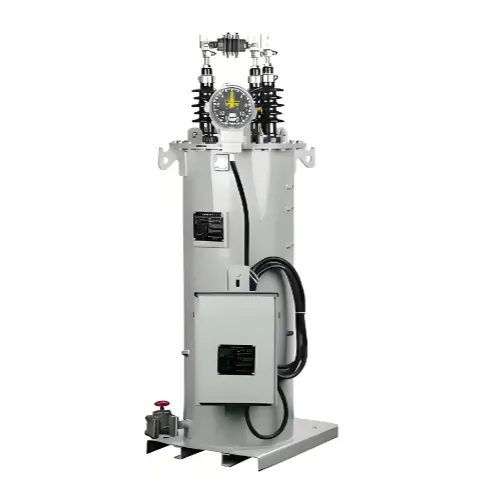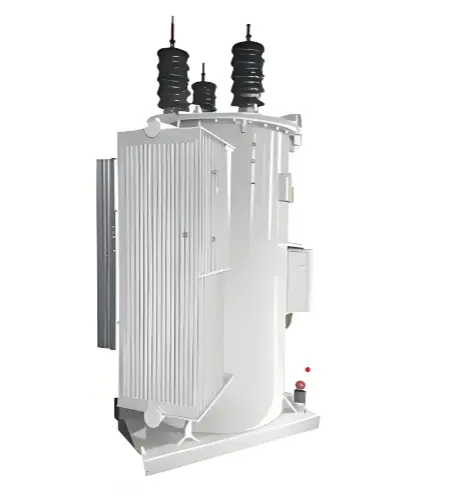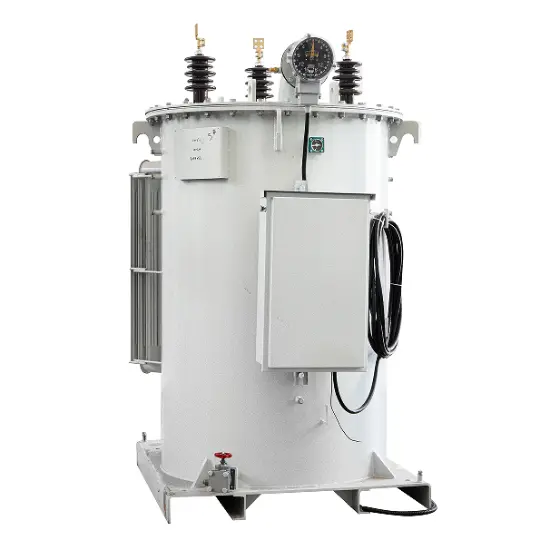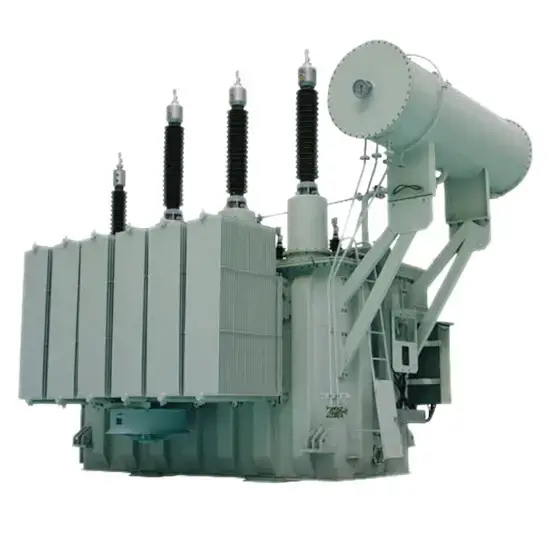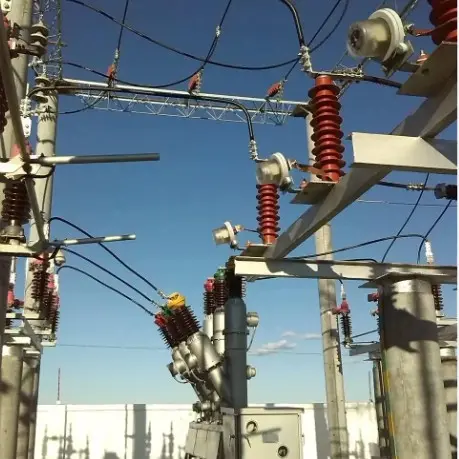
I. Field Conditions: Dust in the Dry Season, Lightning in the Wet Season — The "Double Test" for Savannah Grids
Project Overview: Take the 36kV distribution network project around Nairobi, Kenya, as an example. This area has a typical tropical savannah/inland climate characterized by distinct wet and dry seasons. The dry season brings heavy dust, while the wet season sees incessant lightning. Coupled with underdeveloped grid infrastructure and fluctuating voltages, there are extremely high requirements for the lightning resistance, overvoltage protection, and environmental adaptability of 36kV surge arresters.
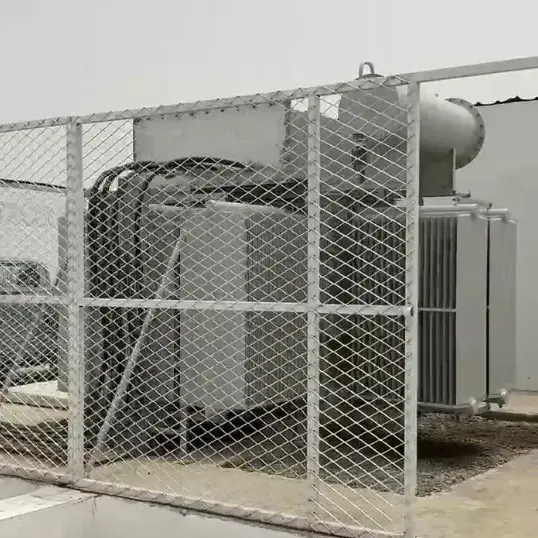
Existing Pain Points: At the project's start, standard 36kV surge arresters were used. However, within just four months, six failures occurred due to lightning and overvoltage issues. Standard arresters could not withstand the high-intensity lightning strikes due to insufficient discharge capacity and high residual voltage. Furthermore, their poor tolerance for grid voltage fluctuations and switching overvoltages led to frequent varistor aging and equipment tripping, while dust accumulation triggered additional minor faults.
Impact: Persistent equipment failures caused intermittent power supply, affecting local residents and businesses. Maintenance teams were overwhelmed, causing O&M costs to skyrocket and significantly delaying project progress. There was an urgent need for a specialized 36kV surge arrester designed to handle the specific lightning and overvoltage issues of the tropical savannah.
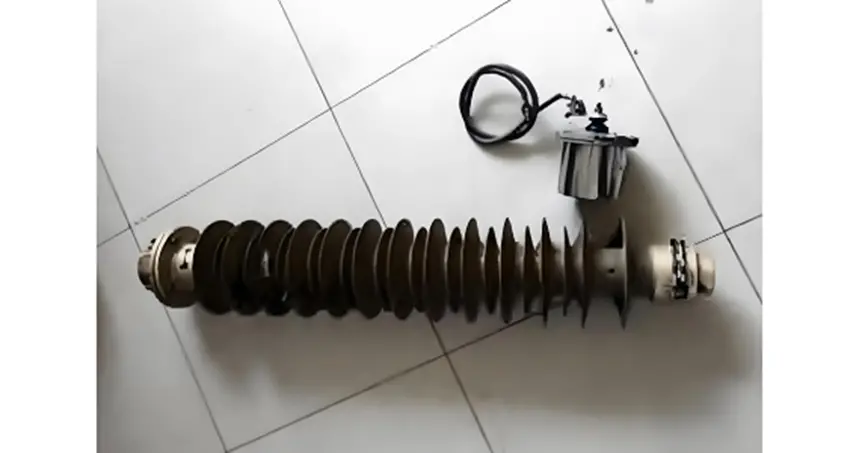
II. Solution Strategy: Custom-Made for the Savannah! Precision Control of Lightning and Overvoltage
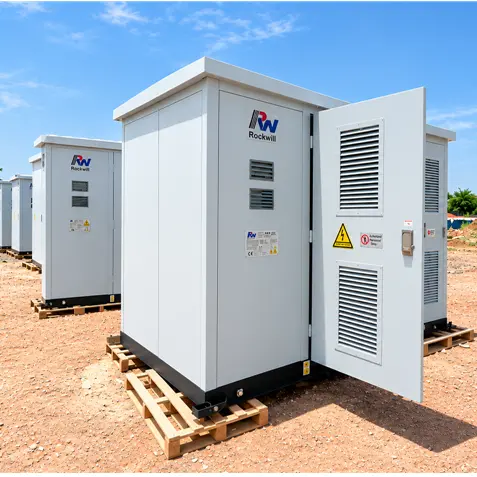
To address the frequent lightning, overvoltage, and heavy dust of the African inland, the team selected a specialized 36kV surge arrester as the core solution. This product is specifically optimized for tropical savannah scenarios, fundamentally improving operational stability and ensuring a secure 36kV power supply.
III. Hardcore Comparison: Standard vs. Specialized — What’s the Difference in Lightning Protection?
Outstanding Lightning Resistance: Designed for high-frequency lightning in tropical savannahs. Its large discharge capacity and low residual voltage quickly discharge lightning overvoltages, preventing equipment damage and trips in the 36kV network.
Superior Overvoltage Performance: Precisely handles grid voltage fluctuations and switching surges. Its high endurance ensures stable operation without premature aging or nuisance tripping, making it ideal for the relatively weak inland grids in Africa.
Savannah-Ready Design: Features dust-resistant sheds and anti-pollution coatings to minimize dry-season dust buildup. It also withstands extreme temperature cycles and wet/dry seasonal transitions, ensuring a longer service life.
High Cost-Effectiveness: Can be directly installed on existing 36kV lines without modification. Fewer failures and easy maintenance reduce O&M costs by 45%, perfectly meeting the needs of African inland projects.
VI. Scalable Experience: Where Else Can This Solution Help?
Promotion Value: This solution, derived from the Nairobi 36kV project, successfully addresses the core pain points of lightning and overvoltage in tropical inland regions. It is reliable, economical, and easy to implement, serving as a direct reference for similar projects across Africa.
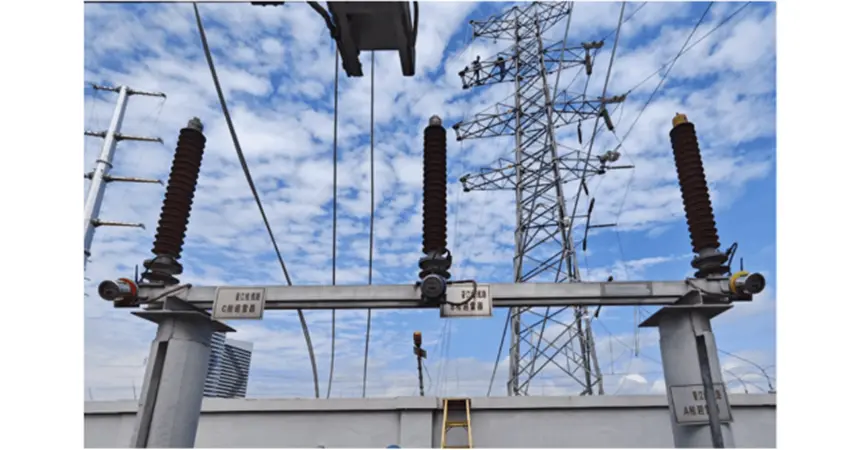
Scope of Application: This model can be widely promoted to other tropical savannah and inland regions, such as inland Tanzania, Uganda, and Zambia. It is particularly suitable for 36kV distribution projects in areas with high lightning activity, voltage instability, and heavy dust, helping to enhance regional grid reliability.