Ⅰ. Executive Summary
As the global energy transition accelerates, Industrial & Commercial Energy Storage Systems (ICESS) have emerged as a critical solution to address peak-valley electricity price gaps, grid fluctuations, and renewable energy integration. By combining new energy generation (e.g., solar PV, wind power) with smart grid technologies, ICESS optimizes energy management. This modular-designed solution covers the entire chain from technology selection to commercial implementation, delivering an economically viable and safety-compliant energy management system for enterprises.
II. Problem Statement: Key Energy Challenges for Industrial & Commercial Users
High Electricity Costs: Peak-valley price gaps exceed RMB 0.7/kWh, with peak tariffs accounting for 72% of corporate electricity expenses.
Grid Instability: Power curtailments and voltage fluctuations cause production downtime and efficiency losses.
Low Renewable Energy Utilization: On-site solar PV self-consumption rates average only 30%, while grid feed-in tariffs yield minimal revenue.
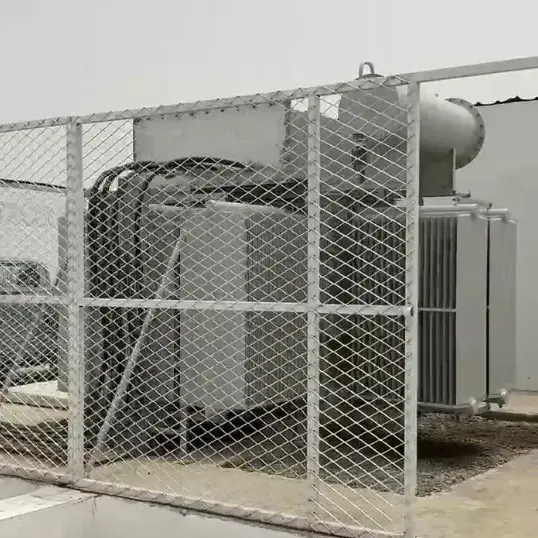
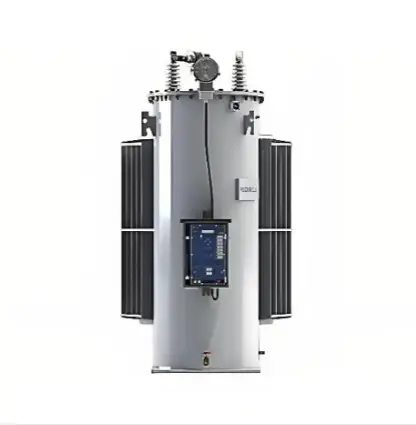
Grid Capacity Pressure: Short-duration load peaks force costly grid upgrades (e.g., transformer replacements).
III. Solution: ICESS System Architecture
1. Core Components & Technology Selection
Component
Technical Solution
Function & Advantage
Battery System
LFP Batteries (mainstream), Flow Batteries (long-duration)
High cycle life (>6,000 cycles), safety & stability (UL9540 certified)
Power Conversion System (PCS)
Bi-directional Inverter
AC/DC conversion, response speed <100ms, supports grid-tied/off-grid switching
Energy Management System (EMS)
Intelligent EMS Platform
Real-time charge/discharge optimization using tariff signals & load forecasts to enhance ROI
Thermal Management & Fire Protection
Liquid Cooling + HFC-227ea Fire Suppression
Temperature control (5–30°C), zero-delay fire suppression (NFPA855 compliant)
2. System Integration Design
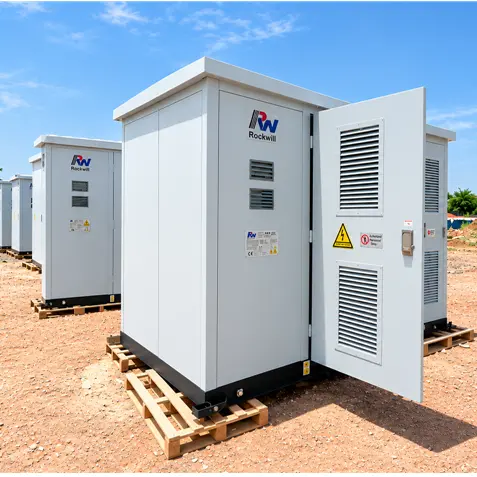
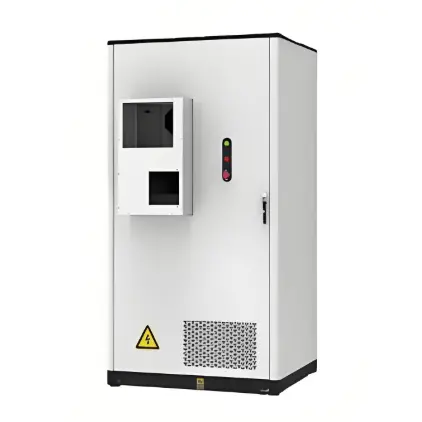
Modular Cabinets: Single cabinet capacity: 500kWh–1MWh, supports parallel expansion (e.g., 4MWh system requires 4–8 cabinets).
Multi-Energy Integration:
PV-Storage Synergy: Increases solar PV self-consumption to 80%;
Storage-Charging Coordination: Mitigates EV fast-charging load impacts, reducing transformer stress.
IV. Application Scenarios & Business Models
1. Typical Scenarios
Scenario
Solution
Case Benefit
Energy-Intensive Factory
Peak shaving + Demand charge management
Saves RMB 2M/year (1MW/2MWh system)
Commercial Complex
HVAC load shifting + PV coordination
Reduces costs by 30%, cuts 100 tons CO₂/year
PV-Storage Charging Station
Buffers fast-charging loads + arbitrage
Payback period <4 years
Microgrid/Off-Grid
Diesel generator replacement (islands, mines)
Reduces diesel dependency by 70%
2. Economic Analysis
Cost Savings:
o Price Arbitrage: Leverages tariff gaps (RMB 0.7/kWh) to cut electricity costs by 15–30%;
o Demand Charge Management: Reduces capacity-based fees (applicable for >315kVA transformers).
ROI Analysis:
Initial Investment: RMB 5M (1MW system);
Payback Period: 3–5 years (subject to local subsidies & tariff policies).
V. Implementation Roadmap
Demand Assessment: Analyze 12 months of electricity data to map load profiles and peak/off-peak patterns.
System Design:
o Capacity Calculation: Storage capacity = Avg. daily peak consumption ×DoD (85%) × System efficiency (88%);
o Site Selection: Proximity to renewable sources or load centers.
Deployment & O&M:
o Modular installation (project timeline <30 days);
o Smart Monitoring: BMS+EMS real-time alerts, O&M cost <2% of CAPEX/year.
VI. Case Study: Electronics Manufacturing Plant
Challenge: Daytime peak load 2×higher than nighttime, with peak tariffs comprising 72% of electricity costs.
Solution: 300kW power / 500kWh capacity LFP battery system deployed.
Results:
Annual electricity cost reduction: 20%;
Solar PV self-consumption rate increased to 80%;
4-hour emergency backup for critical production lines.