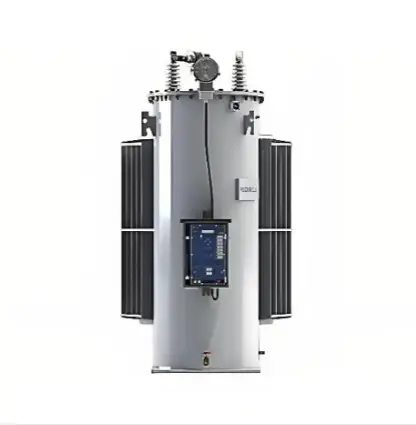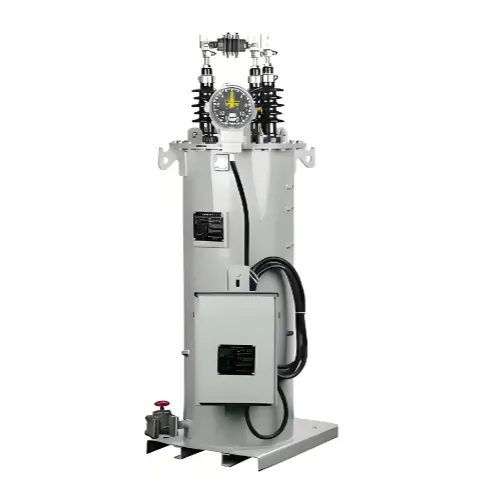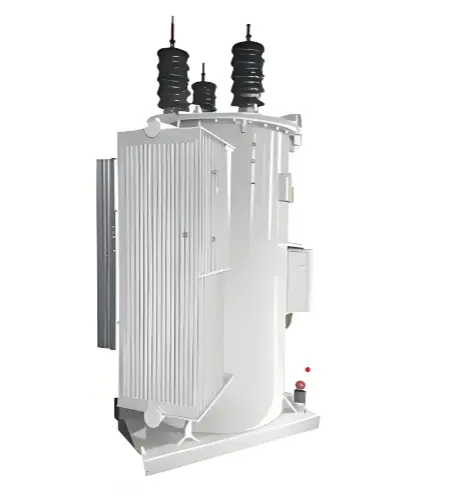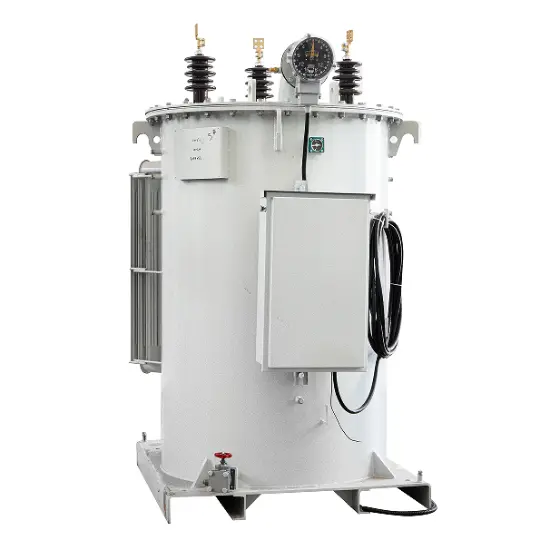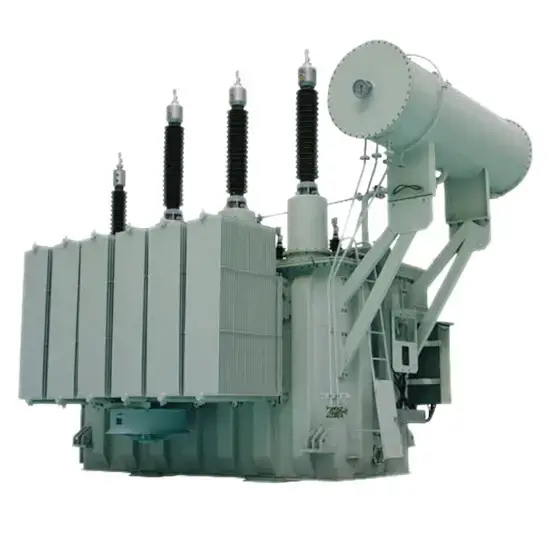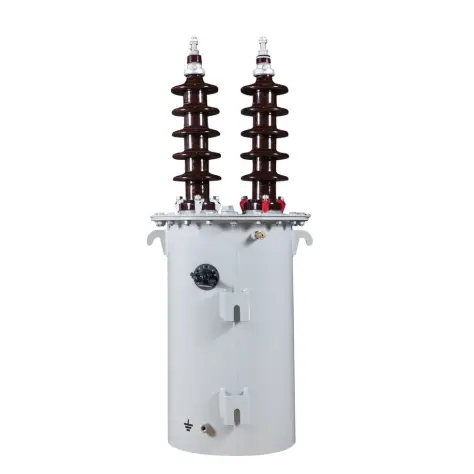
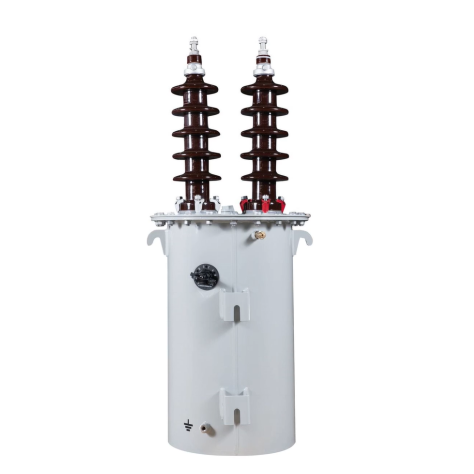
Single-Phase Distribution Transformers: The Key to Flexible and Efficient Deployment of EV Charging Infrastructure
Amid the rapid deployment of EV charging infrastructure, overcoming grid limitations and achieving cost-effective flexible layouts has become critical. Traditional three-phase power supply solutions often face challenges like lengthy installation cycles and extensive modifications, particularly struggling in imbalanced distributed scenarios. Single-phase distribution transformers are emerging as a vital complementary solution with unique advantages.
Application Pain Points: Value Anchors of Single-Phase Transformers
Low-Voltage Grid Capacity Bottlenecks
Residential/commercial transformers saturate quickly, supporting only 2–3 fast-charging piles before reaching limits.
Capacity upgrades take 6–12 months, failing to match surging charging demand.
Distributed Power Supply Challenges
Roadside community spots or scattered mall parking exceed 500m from power sources.
Three-phase cable laying costs ¥800–1,200/m, proving economically unviable.
Legacy Urban Grid Constraints
Historic districts have complex sub-50mm² wiring.
Three-phase retrofits require road excavation (>3-month approvals).
North America/Japan-South Korea Demands
120V/240V single-phase dominance ensures compatibility.
15–25kW DC fast chargers exceed 60% market share (2023 North American Charging Alliance data).
Solution: Modular Single-Phase Power Architecture
Core Specifications
Parameter
Technical Target
Scenario Value
Capacity Range
15–100 kVA
Precision-matched to small clusters
Voltage Adaptation
10kV/11kV→120V/240V/230V
Multi-country compatibility
Overload Capability
120% for 4 hours
Ample peak-charging buffer
Protection Rating
IP55
Direct roadside/parking deployment
No-Load Loss
≤65W (50kVA model)
Saves >¥300/year/unit
Typical Application Scenarios
Community Charging Micro-Networks
1 transformer covers 8–12 parking spots.
Compact dimensions: 1200×800×1000mm (<1 standard parking space).
Deployment: <72 hours (including cabling).
Retail Complex Edge Expansion
Rooftop parking edge deployment.
Leverages existing lighting circuits (40% cable cost savings).
Highway Rest Area Scaling
Adds piles near existing three-phase stations.
Preserves 30% capacity margin to avoid main transformer upgrades.
Efficiency Validation Model
Dimension
Conventional Solution
Single-Phase Solution
Improvement
Cost Per Pile
¥185,000 (w/ upgrade)
¥98,000
↓47%
Project Timeline
90–120 days
7–15 days
↓85%
Energy Loss
10.2%@50% load
7.3%@50% load
↓28%
Space Occupation
8m²(power room)
1.2m²(ground box)
↓85%
ROI Period
5.2 years
2.8 years
↓46%
Key Technical Enhancements
Dynamic Load Balancing
Real-time phase-current monitoring.
Auto-adjusts charging power allocation (<2.5% voltage fluctuation).
Thermal Management
±1°C hotspot monitoring.
Forced air cooling at 50°C; 130°C overload cutoff.
Multi-Mode Connectivity
RS485/IEC61850 standard.
Optional 4G/5G/LoRa; third-party platform integration.
Case Study: Shenzhen Charging Retrofit
Background: 500-household community with only one 400kVA public transformer.
Solution: Deployed eight 50kVA single-phase transformers.
Results:
Charging spots increased from 6 to 46.
Cost:¥760,000 (vs. ¥2.1M budget).
Voltage compliance rose from 83% to 99.2%.
Conclusion
Single-phase distribution transformers demonstrate strong adaptability in EV charging infrastructure. They complement—not replace—three-phase systems by offering economical efficiency in distributed, low-to-mid-power scenarios. Through modular design, intelligent algorithms, and flexible deployment, they significantly lower technical and financial barriers to charging network expansion.