Ⅰ. Central Asia Market Characteristics 1. Significant Power System Disparities with Prominent Aging Equipment
Kazakhstan & Uzbekistan: Grid equipment exceeds operational lifespan (70%-80% aging in Kazakhstan; ~1/3 of low-voltage grids in Uzbekistan overdue), leading to high transmission losses (notably in Kazakhstan’s 12kV distribution networks).
Tajikistan: Fragile transmission networks suffer 20% energy loss. Turkmenistan faces inefficient grids and severe equipment degradation.
2. Accelerated Renewable Transition with Weak Foundations
Kazakhstan & Uzbekistan target 30% and 25% renewable energy by 2030, respectively, focusing on solar, wind, and hydropower (Uzbekistan plans nearly 10GW renewable capacity).
Tajikistan: Hydropower dominates (94%) but lacks robust Measurement, Reporting, and Verification (MRV) systems, causing grid instability. Turkmenistan relies on fossil fuels (98% oil/gas) despite abundant solar resources.
3. Technical Demands Focus on Reliability & Environmental Adaptation
Kazakhstan/Uzbekistan: Require compliance with international standards.
Tajikistan: Needs 12kV circuit breakers with enhanced short-circuit interruption and environmental resilience.
Turkmenistan: Prioritizes high-reliability equipment for grid upgrades.
Ⅱ. South Asia Market Characteristics 1. Large Power Gaps and Urgent Upgrade Needs
India: 8%-12% power deficit, 23.4% transmission losses; plans $150B grid upgrades in 5 years.
Pakistan: Summer shortages reach 8,000MW; daily outages last 6–8 hours.
Bangladesh: Rural electrification rate only 50%. Sri Lanka depends on imported power with outdated infrastructure.
2. Renewables as Development Priority
India/Bangladesh/Sri Lanka target 40%, 30%, and 70% renewable energy by 2030.
Pakistan: Imported 16GW PV modules in FY2024, emphasizing distributed solar.
3. Divergent Environmental & Technical Requirements
Pakistan: Coastal regions demand corrosion-resistant 12kV breakers (salt spray).
Bangladesh/Sri Lanka: Require high-reliability equipment to minimize outages.
India: Aging 12kV networks necessitate upgrades for stability.
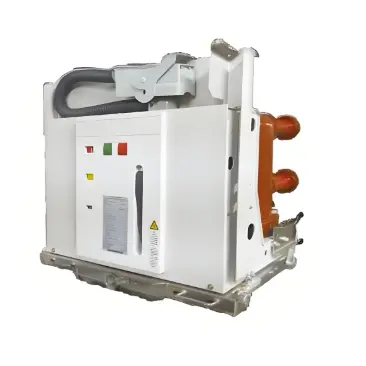
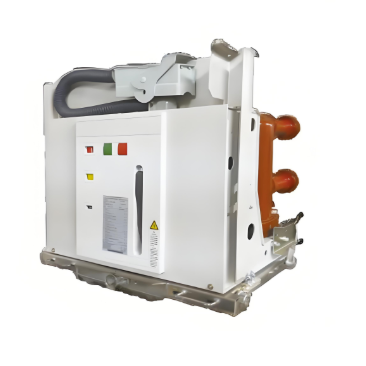
Ⅲ. Technical Solutions & Environmental Adaptation Design for 12kV Indoor Vacuum Circuit Breakers (IVCBs)
Electrical Parameters
Parameter
Baseline
Central Asia Adaptation
South Asia Adaptation
Rated Voltage
12kV
High-altitude compatibility
High-temperature resilience
Power Frequency Withstand
42kV (pole)/48kV (gap)
KazGOST certification
ISI (India) certification
Short-Circuit Breaking
31.5kA
≥50 operations (wind farms)
≥50 operations (PV grid-tie)
Mechanical Life
≥10,000 ops
Frequent-operation scenarios
Frequent-operation scenarios
Breaking Time
≤60ms
Voltage-fluctuation resilience
Voltage-fluctuation resilience
Environmental Adaptation
Central Asia:
Kazakhstan: Operates at -30°C to +60°C; copper-chromium alloy contacts + low-temp lubricants.
Uzbekistan: Optimized arc-extinguishing chambers (80kA breaking capacity for wind farms).
Tajikistan: ±10% voltage tolerance + anti-vibration design for hydropower plants.
Turkmenistan: Enhanced heat dissipation to reduce grid losses.
South Asia:
India: IP65 protection + +60°C tolerance for synchronized grid operation.
Pakistan: S316 stainless steel casing (1,000-hr salt spray test) + humidity-proofing.
Bangladesh: Sealed design + anti-corrosion coating for tropical coasts.
Sri Lanka: High-reliability structure + energy-storage interface for renewables.
Smart Features
Remote Control: Grid automation interface, cloud-based health analytics, mobile alerts.
Adaptive Protection: Optimized arc-extinguishing for renewables, overvoltage protection, multi-layer safety mechanisms.
Ⅳ. Implementation Support System 1. Localized Service Network
Parts warehouses in Kazakhstan (Central Asia) and India (South Asia); 72-hour emergency response.
2. Technical Training
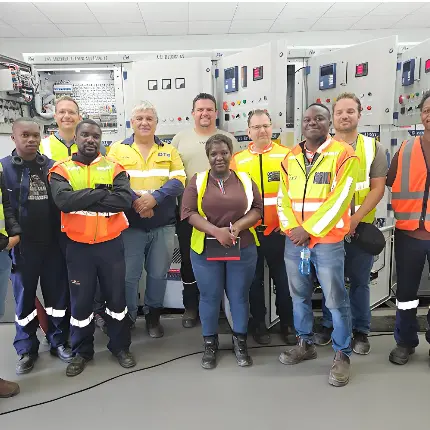
Collaborate with local agents/partners and power grid companies to conduct operational training, with a focus on covering:
Vacuum degree detection (to avoid insulation failure caused by<10 ⁻ 2 Pa)
Mechanical characteristic debugging (opening and closing time, bounce time ≤ 2ms).
Equipment installation, debugging, and maintenance
3.Sustainable Supply Chain
Local assembly (e.g., India’s Havells) to cut tariffs by >30%.
Ⅴ. Market Outlook & Policy Support
Demand Drivers:
South Asia’s smart-grid upgrades (India’s Smart Cities), Central Asia’s mining electrification (Kazakhstan), driving 8.6% annual IVCB growth.
Policy Incentives:
China’s Belt and Road projects prioritize domestic equipment (e.g., Shaanxi Pinggao’s VPG series).