Ⅰ. Technical Principle and Core Advantages
1. Working Principle
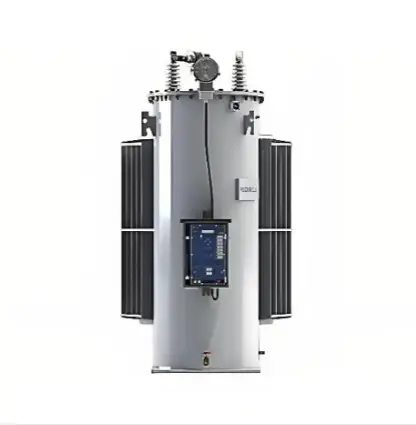
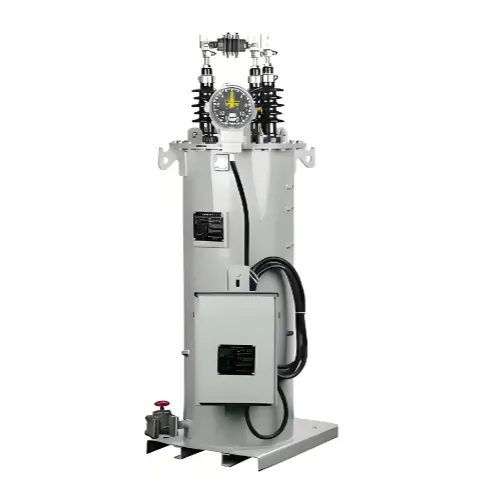
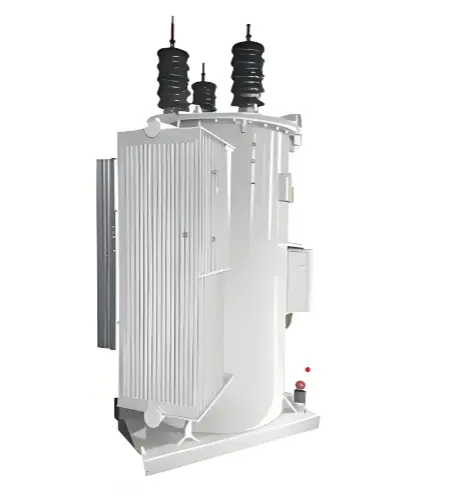
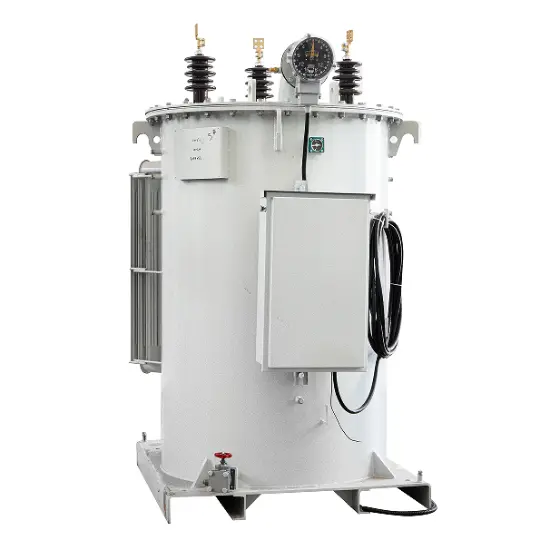
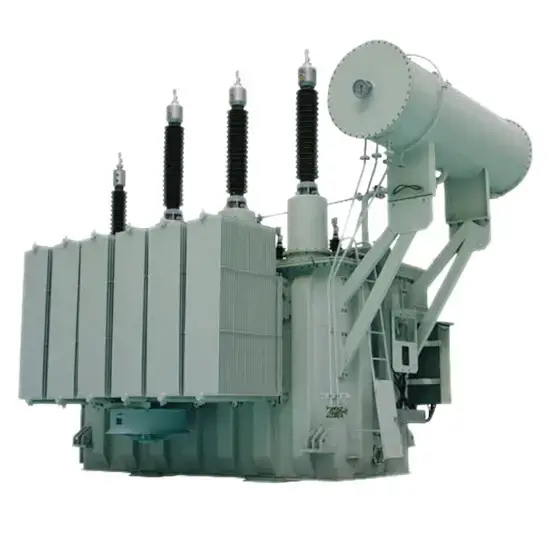
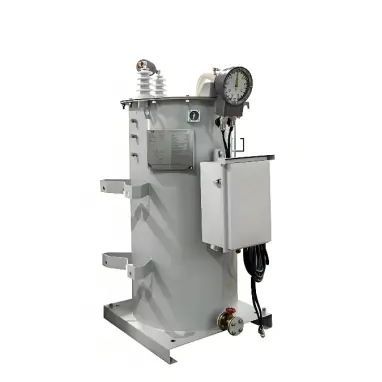
The 32-step voltage regulator is a tap-switching type voltage regulation device that adjusts voltage by automatically switching the tap positions of series windings:
Boost/Buck Mode: A Reversing Switch selects the relative polarity of the series and parallel windings, achieving a ±10% voltage regulation range.
32-Step Fine Regulation: Each step adjusts the voltage by 0.625% (32 steps total), preventing abrupt voltage changes and ensuring continuous power supply.
Make-Before-Break Switching: Utilizes a "twin contacts + bridging reactor" design. During tap switching, the load current is temporarily diverted through the reactor, ensuring uninterrupted power to the load.
2. Advantages for Rural Grid Adaptation
Feature
Traditional Mechanical Regulator
32-Step Voltage Regulator
Response Speed
Seconds to minutes
Milliseconds
Regulation Accuracy
±2%–5%
±0.625%
Supportable Supply Radius
Limited (Typically <10km)
Extended (>20km)
Maintenance Requirement
High (Mechanical wear)
Contactless, Maintenance-Free
Table: Performance Comparison between Traditional Equipment and the 32-Step Regulator
II. Voltage Issues and Requirements in Rural Distribution Networks
Rural power grids are prone to voltage quality issues due to the following characteristics:
Excessively Long Supply Radii: Significant voltage drop occurs at line ends.
Severe Load Fluctuations: Agricultural loads (e.g., irrigation equipment) cause significant daytime-nighttime voltage deviation (high voltage during the day, low voltage at night).
Three-Phase Imbalance: Concentrated single-phase loads cause neutral point displacement, worsening voltage instability.
Aging Equipment: Small conductor diameters and insufficient transformer capacity exacerbate line losses.
III. Solution Design
1. System Architecture
Adopts a hierarchical deployment strategy:
Substation Outlet: Install Type B regulators (constant excitation) to stabilize the main feeder voltage.
Mid-point/End of Long Branches: Deploy Type A regulators (e.g., VR-32) to compensate for local voltage drops.
2. Key Implementation Steps
Siting Principle: Base site selection on the voltage drop curve under maximum load; install at nodes where voltage drop exceeds 5%.
Capacity Matching: Select regulator capacity based on peak line current (e.g., VR-32 in Zhangwu County supports a 7700kVA load).
Intelligent Coordination:
Coordinate with Static Var Generators (SVG) to suppress fluctuations from inductive loads.
Combine with PV inverter reactive power regulation to mitigate daytime overvoltage.
3. Communication and Automation
Local Control: Voltage sensors provide real-time feedback, triggering tap changes (no central command needed).
Remote Monitoring: Upload operational data (voltage, tap position, load rate) to the central control system to support predictive maintenance.
IV. Application Cases and Results
Case Area
Problem Description
Solution
Results
Alberta, Canada
Voltage drop >10% at feeder end during irrigation season; severe undervoltage
Installed VR-32 voltage regulator at the mid-point of the line
End voltage stabilized within 230V ±10% (qualified range)
Bavaria, Germany
Minimum night voltage dropping to 151V
Installed a combination (Dynamic compensator + Voltage regulator) at the line end
Voltage stabilized above 210V
Farm Areas, Chile
Peak-valley voltage deviation >15%
Deployed a new flexible voltage regulation device at the transformer outlet
All-day voltage fluctuation rate <3%
V. Innovation Directions and Future Trends
Synergy with Distributed Energy Resources (DER):
Integrate with PV Energy Storage (DES), using regulators to suppress voltage violations caused by renewable energy fluctuations.
Artificial Intelligence Optimization:
Apply Deep Reinforcement Learning (DRL) to predict load changes and pre-adjust tap positions (e.g., pre-boost voltage in anticipation of irrigation peaks).
Hybrid Voltage Regulation Systems:
Combine with Soft Open Points (SOP) to form multi-level regulation networks: SOP regulates active/reactive power, while regulators handle steady-state voltage drop.
VI. Economics and Social Benefits
Return on Investment: The cost of a single regulator is approximately 10k–10k–10k–15k USD, capable of reducing line losses by 3%–8%.
Improved Power Supply Quality: Voltage qualification rate increases from <90% to >99%, supporting rural industrialization (e.g., stable operation of cold chain and processing equipment).