Ⅰ. Southeast Asia Power Sector: Status and Demand Analysis
Grid Weakness and Energy Access Challenges
Over 35 million people in Southeast Asia still lack electricity access. Remote areas rely on diesel generators (e.g., Padua Village, Indonesia), experiencing unstable supply and high costs.
Tropical climate leads to high line losses. Integration of photovoltaic (PV) systems and electric vehicles (EVs) exacerbates three-phase voltage imbalance issues in distribution grids.
Demand for New Energy Integration
Rapid growth of distributed PV (e.g., China added 120 GW distributed PV in 2024), but grid connection causes voltage fluctuations.
Rise of industrial off-grid energy storage projects (e.g., Jinko 10MWh project), requiring voltage stabilization technology to ensure equipment safety.
Infrastructure Bottlenecks
High proportion of aging power equipment (over 50% in US/Europe exceeding 20 years old), creating an urgent need for efficient replacement solutions.
II. SVR (Voltage Regulator) Technical Solution Design
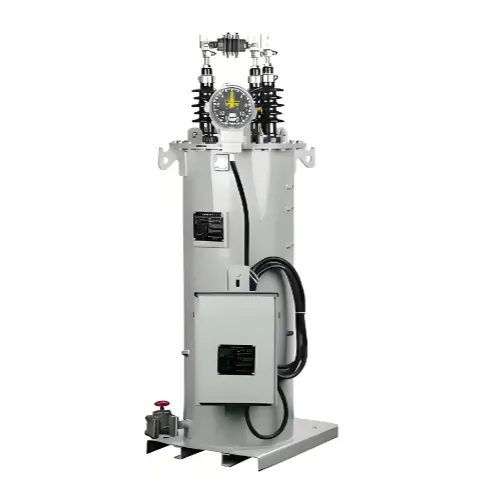
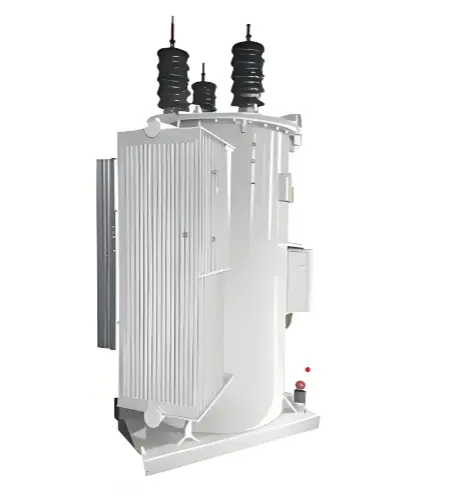
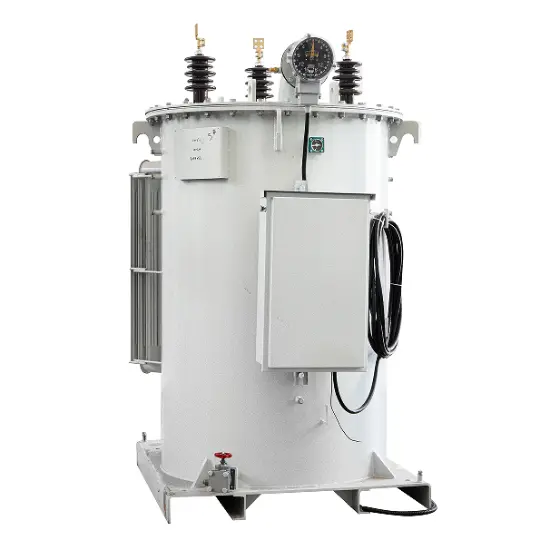
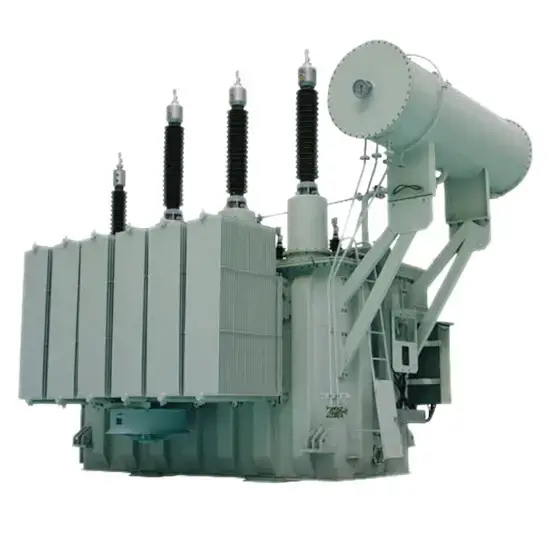
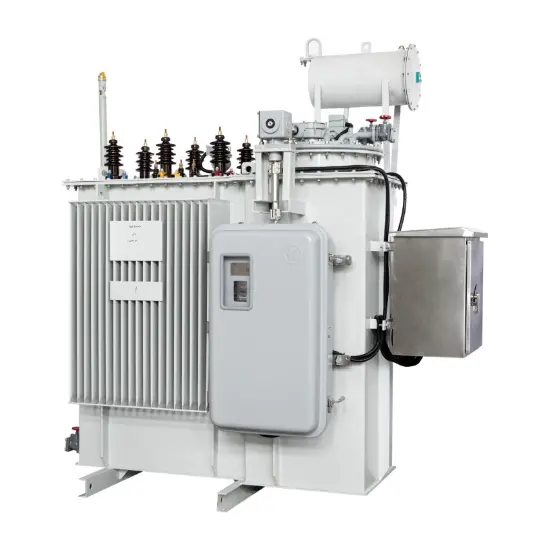
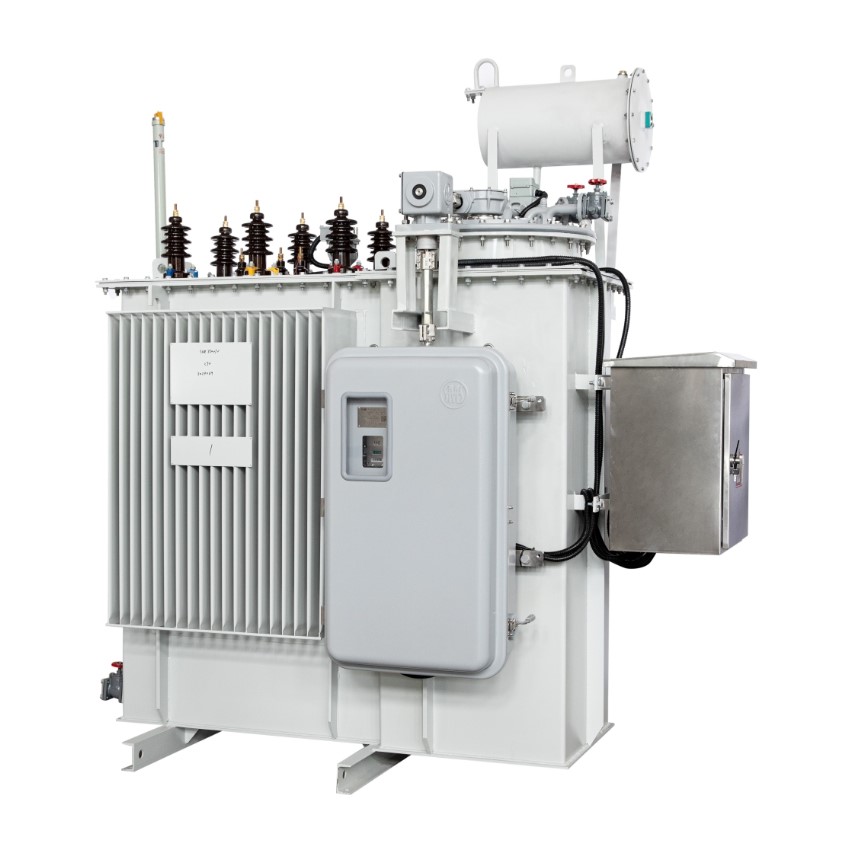
(A) Core Architecture: Intelligent Adaptive SVR System
Combines traditional step voltage regulation with digital control technology to achieve multi-scenario voltage stabilization.
Hardware Configuration
Main Control Unit: Uses dual-core DSP microcontrollers (e.g., TI Delfino series), supporting real-time voltage sampling and harmonic analysis.
Power Module: Integrates IGBT/MOSFET switch banks, supports ±10% voltage adjustment range with 16-tap selection (0.75V step increments).
Cooling System: Liquid cooling with temperature control (e.g., Jinko solution), battery cell temperature differential ≤±2.5°C.
Software Algorithms
Optimized LDC (Line Drop Compensation) Control: Detects three-phase imbalance via IT (Load Tap Changer) switching data, dynamically adjusting voltage regulation targets.
AI Predictive Strategy: Forecasts PV output and EV charging peaks/valleys based on historical load and weather data, reducing tap-changer operation frequency by 30%.
(B) Southeast Asia Customization
Environmental Adaptability
IP65 protection rating, tolerance for high temperature (≤50°C), high humidity (≤95% RH), and salt spray corrosion (coastal areas).
Lightning protection design: Integrated MOV surge arrestors, withstands 10kA lightning current.
Dual Mode Support (Off-grid / Grid-connected)
Off-grid Mode: Black start capability (e.g., Jinko PCS), supports diesel-PV-storage hybrid power supply.
Grid-connected Mode: Harmonic mitigation (THDi≤3%), reduces interference from PV inverters and EV chargers.
Cost Optimization
Modular Design: Single cabinet supports 0.4kV~22kV voltage levels, reducing expansion costs by 40%.
Localized Supply Chain: Partners with Chinese manufacturers (e.g., BTR) to establish facilities in Indonesia/Thailand, reducing equipment costs by 25%.
III. Implementation Path and Benefits
(A) Phased Deployment Plan
Stage
Primary Content
Expected Outcome
Pilot (1 Year)
Indonesia/Thailand rural microgrid demonstration
Cover 10 villages, power supply reliability ≥99%
Scaling (2 Years)
Urban industrial zone PV + EV charging station integration
Reduce voltage non-compliance rate by 50%
Expansion (3 Years)
Cross-border grid interconnection (e.g., ASEAN Power Grid)
Increase regional renewable energy integration capacity by 30%
(B) Economic and Social Benefits
Cost Reduction & Efficiency: After replacing diesel generators, fuel costs drop 90%, with investment payback period ≤5 years ($USD).
Carbon Reduction Contribution: Single project annual carbon reduction exceeds 1000 tons (based on 10MWh PV + storage).
Local Empowerment: Trains community O&M teams, creates jobs (e.g., BTR base in Indonesia).
IV. Representative Case: Indonesian Off-Grid Village Project
Background: Padua Village, South Papua, Indonesia, previously reliant on diesel generator (no main grid within 50km).
Solution:
PV (50kW) + Storage (250kWh) + SVR voltage regulation system.
SVR automatically balances voltage fluctuations for loads (school, clinic, residences).
Outcome: Voltage compliance rate increased from 72% to 98%, average household electricity cost reduced by 40%.
V. Sustainability Assurance
Technology Evolution: Reserved 5G/IoT interfaces for remote diagnostics and software upgrades.
Policy Synergy: Links with ASEAN Just Energy Transition Partnership (JETP) Fund to reduce financing costs.