I. Project Background: The Harsh Desert Environment of Agadez, Niger
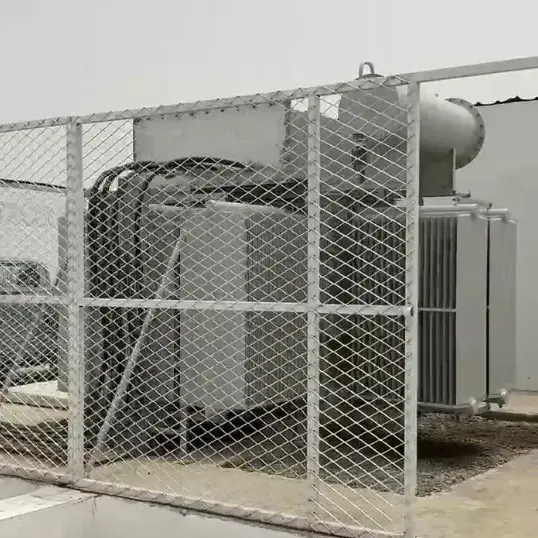
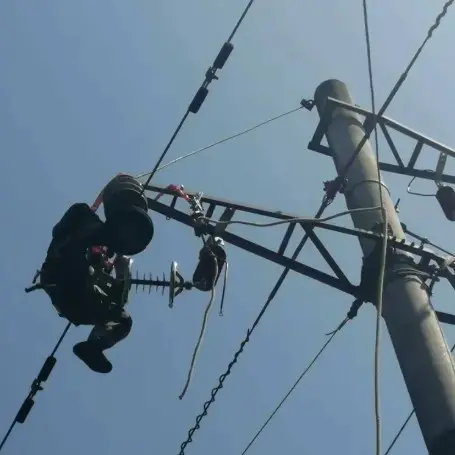
Project Overview: Take the 30kV distribution network project in Agadez, Niger, as an example. This region features a typical tropical desert climate characterized by extreme heat, with summer daytime temperatures frequently exceeding 50°C and occasionally reaching 55°C. Furthermore, the diurnal temperature variation is massive, plunging from scorching daytime highs to around 10°C at night. Coupled with weak grid infrastructure and heavy sandstorms, these conditions place extreme demands on the heat resistance, thermal stability, and erosion resistance of surge arresters.
Existing Pain Points: At the project's onset, standard surge arresters were deployed. However, within just over three months, seven major failures occurred due to extreme heat and thermal fluctuations. Standard arresters could not withstand the high temperatures, leading to housing degradation, cracking, and varistor failure. Additionally, large temperature swings caused metal components to loosen due to thermal expansion and contraction, resulting in seal failure. Sand erosion further exacerbated problems like surface flashovers and leakage current.
Impact: Persistent equipment failures caused intermittent power supply in the 30kV network, affecting residents and industrial/mining enterprises. Maintenance personnel were forced to conduct repairs in 50°C heat, which was both hazardous and exhausting. These issues drove O&M costs upward and severely delayed project timelines, creating an urgent need for specialized desert-grade surge arresters.
II. The Key Breakthrough: "Tailor-Made" for the Desert! Why This Arrester Defies Extreme Heat and Temperature Swings
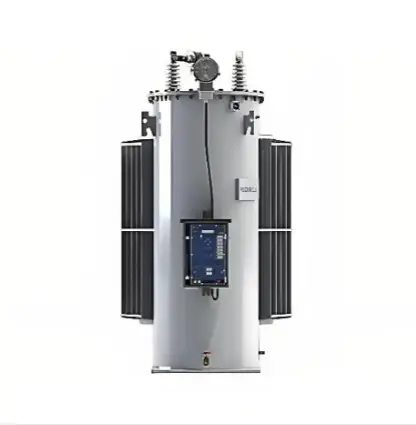
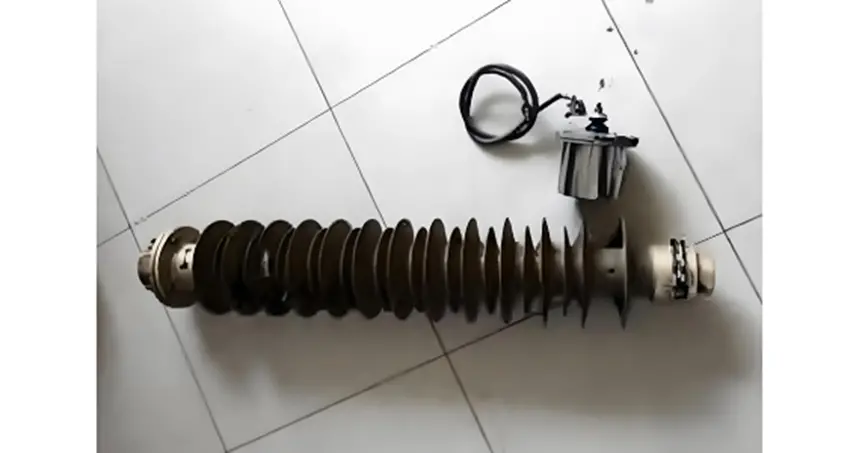
To address the extreme heat (>50°C), massive temperature fluctuations, and heavy sandstorms of the African inland deserts, a specialized desert-grade surge arrester was selected as the core solution. Specifically optimized for extreme desert scenarios, this product eliminates the aging and seal failure issues common in standard arresters, fundamentally enhancing operational stability for the 36kV distribution network.
III. Hardcore Comparison: Standard vs. Desert-Specialized — Which Is More "Desert-Proof"?
Comparison Dimension Standard Surge Arrester Desert-Specialized Surge Arrester Heat Resistance ❌ Poor; prone to aging, cracking, and varistor failure above 50°C. ✅ High-temperature design; stable operation up to 60°C without aging or performance loss. Thermal Cycle Stability ❌ Loose metal components and seal failure due to thermal expansion/contraction; allows ingress of dust and moisture. ✅ Optimized expansion-proof structure; metal parts and seals remain secure despite 40°C+ temperature swings, preventing ingress. Sand Erosion Resistance ❌ Housing is easily eroded by sand, leading to insulation degradation and flashovers. ✅ Wear-resistant coating and optimized sheds; minimizes sand erosion and maintains stable insulation levels. O&M Convenience ❌ Frequent faults require dangerous repairs in extreme heat; high O&M costs and risks. ✅ High reliability; nearly zero faults and simple maintenance significantly lower O&M costs
IV. Three Core Advantages: Heat-Proof | Stability-Driven | Erosion-Resistan
Ultra-High Heat Resistance: Specifically engineered for extreme heat (>50°C). Both the housing and varistors are treated for high-temperature stability, ensuring a long service life without degradation under the desert sun.
Superior Thermal Cycle Performance: By utilizing expansion-tolerant structures and materials, the arrester maintains airtight sealing even when diurnal temperature swings exceed 40°C, effectively isolating the internal components from sand and moisture.
Sand & Wear Resistance: Specialized anti-abrasion coatings and shed designs minimize the impact of sandstorms, preventing insulation loss and flashover faults common in dusty desert environments.
High Cost-Effectiveness: Can be directly swapped with standard arresters on existing 30kV lines without modification. Reduced failures and maintenance needs cut O&M costs by 50% and decrease the need for hazardous high-temperature fieldwork.
V. Results in the Field: 19 Months of Zero Heat-Related Faults! O&M Costs Cut by 50%
Application Scenario Equipment Type Operation Cycle Operational Performance Core Result Agadez 30kV Project Standard Arrester >3 Months 7 faults due to heat/temp swings; frequent high-risk repairs. ❌ Poor adaptability; high O&M costs and safety risks. Agadez 30kV Project Specialized Arrester 19 Months Only 1 minor instance of sand wear; zero heat or temperature-related faults. ✅ Fault rate dropped to zero; O&M costs reduced by 50%; minimized repair risks.
VI. Scalable Experience: Where Else Can This Solution Help?
Promotion Value: This solution, derived from the Agadez 30kV project, provides a proven blueprint for solving equipment failures in extreme desert heat. It is reliable, economical, and easy to implement, offering a direct reference for similar desert projects across Africa.
Scope of Application: This model is highly applicable to other tropical desert regions, such as Southern Algeria, Chad, and Sudan. It is ideal for 36kV and similar voltage level projects in areas with extreme heat (>50°C), high temperature swings, and heavy sandstorms, ensuring regional grid stability.