Ⅰ. Southeast Asia Market Background and Demand Analysis
Core Driving Factors
Energy Gap & High Electricity Prices: Southeast Asia's electricity demand is growing at 6% annually (global average 2.8%), but power grids are weak with frequent outages (e.g., Vietnam's industrial zones suffer over USD 3 billion in annual losses). Electricity prices in some areas reach USD 0.19/kWh (Philippines).
Policy-Mandated Storage: Philippines requires new PV projects above 5MW to integrate 15% storage starting 2025; Vietnam targets 2.7GW of energy storage capacity by 2030; Malaysia allocated 50 million ringgit to promote rooftop PV + storage for government buildings.
Island Off-Grid Essential Needs: Over half of Indonesia's islands rely on diesel power (cost: USD 0.25/kWh), creating urgent demand for PV+storage replacement.
Application Scenario Pain Points
Commercial & Industrial Users: Demand charge management, peak-valley arbitrage, backup power (e.g., Bangladeshi garment parks relying on diesel gensets due to outages; Tuobang storage solution saves RMB 1.6 million annually).
Off-Grid/Microgrids: Islands, mining areas, and other grid-uncovered regions require independent power systems (e.g., Jinko Energy Storage's 10MWh project reduces diesel consumption by 90%).
II. System Architecture Design
Technology Selection & Configuration
Component
Solution Description
Regional Adaptability
Battery System
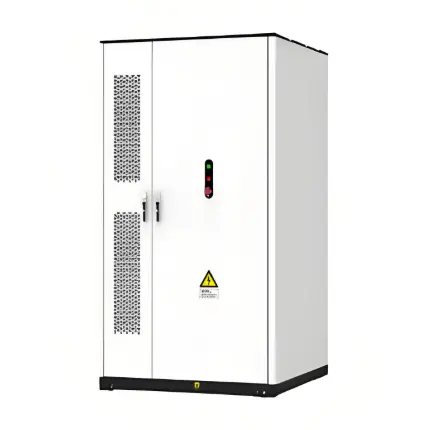
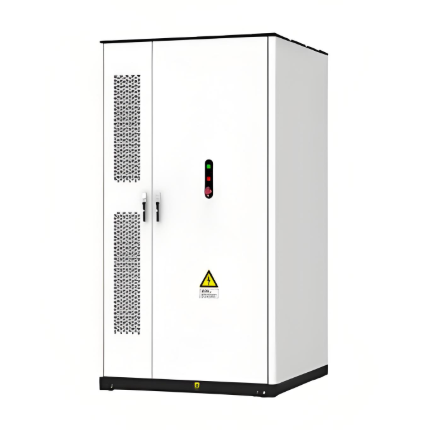
Liquid-cooled LiFePO4 (LFP) solution (e.g., Sungrow PowerTitan, Jinko G2 Blue Whale system)
High temp & humidity environments (Jinko temp control ±2.5°C); >94% round-trip efficiency; >6,000-cycle lifespan.
PCS & Grid Integration
Supports dual off-grid/grid-tied modes; Black start & VSG (Virtual Synchronous Generator) functionality.
Mitigates grid fluctuations; Cost-saving 0.4kV multi-point grid connection (<1000kW) or 10kV step-up connection (>1000kW).
Energy Management
Smart EMS platform integrating electricity price forecasting, load dispatch, and VPP (Virtual Power Plant) participation.
Supports market mechanisms like the Philippines' GEAP bidding, Singapore's Jurong Island electricity futures trading.
Typical System Solutions
Grid-Tied PV + Storage System:
o Capacity: PV with 10%-20% storage capacity (2-4 hours), e.g., 1MW PV + 200kWh/400kWh storage.
o Revenue Models: Peak-valley arbitrage (Southeast Asia peak-to-valley price ratio ~3:1), demand control (reduces transformer capacity fees).
Off-Grid Microgrid System:
o Design: Hybrid power supply (Diesel generator + PV + Storage).
o Applications: Island resorts, mines, factories.
III. Core Advantages & Innovations
Localized Adaptive Design
Climate Protection: IP65 rating + liquid-cooled thermal management.
Compliance: Meets IEC TS 62933-3-3:2022 standard for energy-intensive applications; Compatible with Vietnam/Thailand grid codes (avoids 15-20% retrofitting costs).
Economic Optimization
Cost Item
Traditional Approach
Our Solution Optimization
Initial Investment
High (tariffs + transportation)
Local manufacturing setup
O&M Cost
Diesel gen. cost USD 0.25/kWh
PV+storage LCOE USD 0.08-0.12/kWh
Policy Benefits
—
Philippines CIT exemption first 10y, halved next 5y
Intelligent O&M & Safety
Cloud platform monitoring (e.g., Jinko Energy Storage Big Data Platform) enables remote diagnostics and AI fault prediction.
Multi-level fire isolation + BMS/AIM-D100 insulation monitoring, meeting AS9100D aerospace safety standards.
IV. Project Implementation Path
Feasibility Study (1-3 Months): Land suitability (industrial land preferred), solar irradiance data (annual generation: 1.3-1.5 million kWh per 1MW).
Financing & EPC:
o Financing Materials: Feasibility Report (IRR >12%), PPA Agreement, Land Use Permit.
o EPC Requirements: Provide grid connection point parameters, meteorological data, construction timeline penalty clauses.
Deployment & Grid Connection:
o Construction Period: 6-9 months.
V. Cooperation Ecosystem
Local Partnerships
Joint Ventures with local enterprises.
Technical Support
Offer cost-effective products adapted to the fragmented demand structure of small-medium orders.