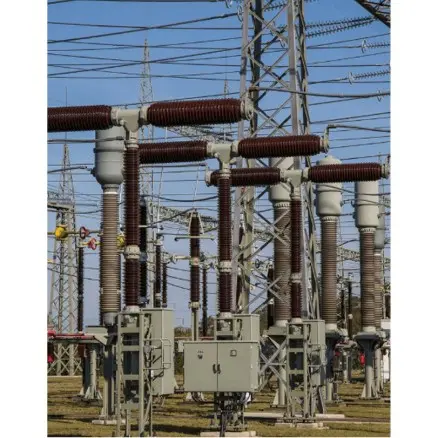
I. Project Background: Island Grid Faces "Triple-High" Challenges
Project Overview: The 132kV power transmission and transformation project on Zanzibar Island, Tanzania, is located in a tropical marine climate zone. This region is characterized by high humidity, high salt spray, and high lightning activity, coupled with high soil resistivity. These factors place extreme demands on the protection efficacy and environmental adaptability of surge arresters.
Existing Pain Points: At the project's onset, standard surge arresters were utilized. However, due to their inability to withstand the local environment, five major failures occurred within just three months. Key issues included poor sealing, salt spray-induced flashovers, corrosion of metal components, and improper grounding, which prevented effective lightning protection.
Impact: Frequent equipment failures not only destabilized the power supply but also caused O&M (Operation and Maintenance) costs to surge. This hindered project progress and posed significant safety risks to the local power supply, creating an urgent need for specialized surge arresters with high adaptability.
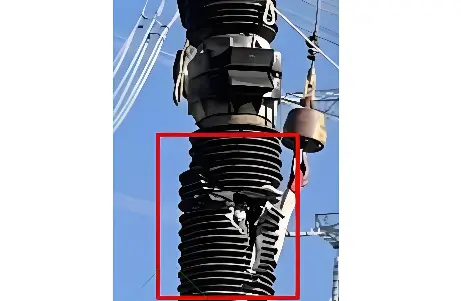
II. The Key to Success: Why Choose RMR-132? "Tailor-Made" for Islands
To address the environmental challenges of Zanzibar, the RMR-132 (132kV) surge arrester was selected as the core solution. This product is specifically designed for complex scenarios like tropical marine climates and high-resistance grounding, fundamentally improving operational stability and ensuring a secure power supply.
III. Performance Comparison: RMR-132 vs. Standard Surge Arresters
Comparison Dimension Standard Surge Arrester RMR-132 Surge Arrester Sealing Performance ❌ Poor sealing; prone to moisture and water ingress, causing internal faults. ✅ IP68 double sealing; effectively blocks salt spray and humidity with superior protection. Corrosion Resistance ❌ Metal parts rust easily, which further degrades the sealing performance. ✅ 316L stainless steel components; high resistance to salt spray corrosion for an extended lifespan. Scenario Adaptability ❌ Parameters (discharge capacity/residual voltage) unfit for high-resistance grounding; prone to flashovers. ✅ High discharge capacity and low residual voltage; perfectly adapted to high-resistance and high-salt environments. O&M Convenience ❌ Frequent failures and complex maintenance keep O&M costs high. ✅ Stable operation with nearly zero faults; simple maintenance significantly reduces O&M costs.
IV. Three Core Advantages: Curing Environmental "Incompatibility"
Strong Environmental Adaptability: Utilizing a modified silicone rubber housing (salt spray and mold resistant) and an IP68 double-sealing structure, it perfectly copes with Zanzibar’s humidity and salt spray, eliminating sealing failure and surface flashovers.
Stable and Reliable Operation: 316L stainless steel parts provide strong corrosion resistance. Combined with high discharge capacity and low residual voltage, it perfectly matches local high-resistance grounding scenarios to ensure continuous grid stability.
High Cost-Effectiveness: No modification of existing lines is required—simply replace standard arresters with RMR-132. With its long lifespan and low maintenance, O&M costs are reduced by 40%, offering a high return on investment.
V. Results in the Field: 18 Months of Stable Operation, Fault Rate Down by 90%+
Application Scenario Equipment Type Operation Cycle Operational Performance Core Result Zanzibar 132kV Project Standard Arrester 3 Months 5 faults; frequent shutdowns for maintenance. ❌ Failed to adapt; compromised grid stability. Zanzibar 132kV Project RMR-132 Arrester 18 Months Only 1 minor salt deposit; no core functional failures. ✅ Fault rate dropped by 90%+; O&M costs reduced by 40%.
VI. Scalable Experience: Where Else Can This Solution Help?
Promotion Value: This solution, summarized from the Zanzibar project, successfully solves the application dilemma of surge arresters in tropical marine zones. It is both reliable and economical, providing a ready-to-implement reference for similar projects.
Scope of Application: This model can be widely promoted to other tropical coastal and rainforest regions in Africa, such as Mombasa (Kenya) and Lagos (Nigeria). It is particularly suitable for 132kV and similar voltage level projects in areas with high humidity, heavy salt spray, and high soil resistivity, helping to enhance regional power grid stability.